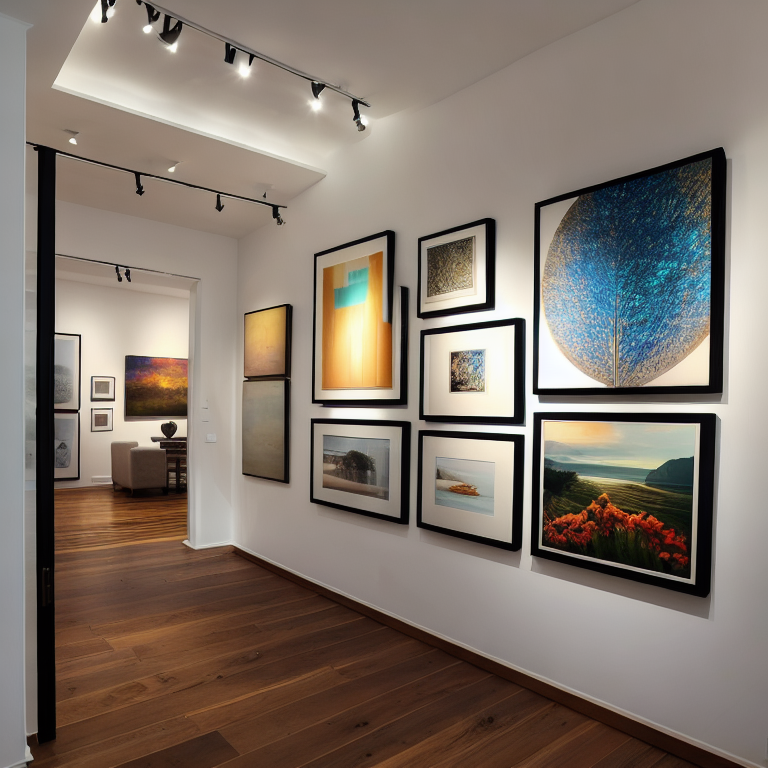
Creating a personal art gallery at home is one of the most rewarding ways to surround yourself with beauty and inspiration. Whether you’re an art collector or simply someone who loves creativity, curating a home gallery lets you express your personality and transform your living space into a visual masterpiece. In this guide, we’ll walk through everything you need to know to design a stunning art gallery at home, from choosing the right pieces to arranging them in ways that make your space feel alive.
Choosing the Perfect Space for Your Gallery
The first step in curating a home art gallery is selecting the right space. Not every room works equally well for displaying art, so think about where your collection will shine brightest. Natural light is important, but direct sunlight can damage artwork over time, so rooms with large windows might need UV-protective glass or curtains. Hallways, living rooms, and even stairwells can become perfect gallery spaces if you plan thoughtfully.
Consider the flow of traffic in your home. You want people to naturally pause and appreciate the art without feeling crowded or rushed. A dedicated wall or corner that invites quiet contemplation works best. If you’re working with a smaller space, don’t worry—creative arrangements can make even compact areas feel like professional galleries. For more inspiration on how to start your own gallery, check out this helpful guide on starting an art gallery on a budget.
Selecting Artwork That Speaks to You
The heart of any gallery is the artwork itself. When curating your collection, focus on pieces that truly resonate with you rather than following trends. Your gallery should tell your story and reflect your tastes, whether that means contemporary paintings, vintage photographs, or handmade sculptures.
Mix different mediums to create visual interest. Combining paintings, prints, photographs, and three-dimensional pieces adds depth and keeps viewers engaged. Don’t be afraid to include personal creations or works from local artists—these pieces often carry special meaning and support your creative community. If you’re unsure about what makes a great gallery experience, this article on what makes a great art gallery experience offers valuable insights.
Planning Your Layout and Arrangement
Once you have your artwork selected, planning the layout is crucial. The way you arrange pieces can dramatically affect how they’re perceived. Start by laying everything out on the floor to experiment with different configurations before hanging anything on the walls.
Consider the principle of balance—mix large and small pieces, and vary the spacing between frames. A symmetrical arrangement feels formal and organized, while an asymmetrical layout creates a more dynamic, modern feel. Gallery walls are particularly popular because they allow you to display multiple pieces together in a cohesive way. Remember to keep eye level in mind; artwork should generally be hung so the center is about 57-60 inches from the floor.
Lighting: The Secret to Making Art Shine
Lighting can make or break your home gallery. Proper illumination highlights textures, colors, and details that might otherwise go unnoticed. Natural light is beautiful but can be unpredictable, so consider adding dedicated art lighting.
Track lighting, picture lights, and adjustable wall-mounted fixtures give you control over how each piece is lit. LED lights are ideal because they don’t emit UV rays or heat that could damage artwork. Experiment with different angles to reduce glare and shadows. If you’re interested in learning more about how galleries create the perfect atmosphere, this article on visiting art galleries like a pro has some great tips.
Framing and Presentation Tips
The right frame can elevate artwork and protect it for years to come. Choose frames that complement both the art and your home’s decor. Simple, elegant frames often work best because they don’t distract from the artwork itself.
For a cohesive look, consider using frames in similar colors or materials throughout your gallery. However, mixing frame styles can also create an eclectic, collected-over-time feel that many find charming. Always use acid-free mats and backing materials to prevent artwork from yellowing or deteriorating.
Incorporating Sculptures and Three-Dimensional Art
Don’t limit your gallery to just wall art. Sculptures, ceramics, and other three-dimensional pieces add tactile interest and break up the visual plane. These items can be displayed on pedestals, shelves, or even integrated into furniture arrangements.
When placing sculptures, think about how light will interact with the piece from different angles. You might need to adjust lighting more frequently for three-dimensional art than for flat works. Creating small vignettes that combine wall art with sculptural elements can make your gallery feel more curated and intentional.
Maintaining and Evolving Your Collection
An art gallery at home isn’t static—it should evolve as you do. Rotate pieces seasonally or when you acquire new works to keep the space feeling fresh. This also helps protect artwork from prolonged exposure to light and environmental factors.
Regular maintenance is important too. Dust frames and glass gently, check for signs of damage, and ensure that hanging hardware remains secure. If you’re displaying particularly valuable pieces, consider consulting with a professional about conservation and insurance.
Creating a Welcoming Atmosphere
Your home gallery should feel inviting, not like a sterile museum. Add comfortable seating nearby so you and your guests can sit and appreciate the art. Consider including a small table with art books or catalogs that relate to your collection.
The surrounding decor should complement rather than compete with your artwork. Neutral wall colors often work best as they don’t distract from the art, but don’t be afraid to use color if it enhances your collection. Plants, textiles, and other decorative elements can soften the space and make it feel more lived-in.
Frequently Asked Questions (FAQ)
How much does it cost to create a home art gallery?
The cost varies widely depending on the artwork you choose and the quality of framing and lighting. You can start small with affordable prints and gradually build your collection over time. Many people begin with pieces under $100 and expand as their budget allows.
What’s the best way to hang artwork without damaging walls?
Use proper hanging hardware designed for your wall type. Picture rails, adhesive strips for lighter pieces, and professional-grade hooks can all help minimize damage. Always use at least two hanging points for larger pieces to ensure stability.
How do I protect artwork from sunlight damage?
Use UV-protective glass or acrylic when framing, install UV-filtering window films, and avoid hanging valuable pieces in direct sunlight. LED lighting is also safer than halogen or incandescent bulbs.
Can I mix different art styles in one gallery?
Absolutely! Mixing styles often creates the most interesting and personal galleries. The key is finding a unifying element, whether that’s a consistent framing style, color palette, or theme that ties everything together.
How often should I rotate artwork in my home gallery?
There’s no set rule, but many collectors rotate pieces every few months or with the changing seasons. This keeps the space feeling fresh and gives you a chance to appreciate different works over time.
Conclusion
Curating a stunning art gallery at home is a deeply personal journey that combines creativity, design, and passion. By carefully selecting artwork that speaks to you, planning thoughtful arrangements, and paying attention to lighting and presentation, you can create a space that not only looks beautiful but also nourishes your soul. Remember that your gallery should evolve with you, reflecting your changing tastes and experiences. Whether you’re displaying priceless originals or cherished prints, the most important thing is that your collection brings you joy every single day.
Leave a Reply