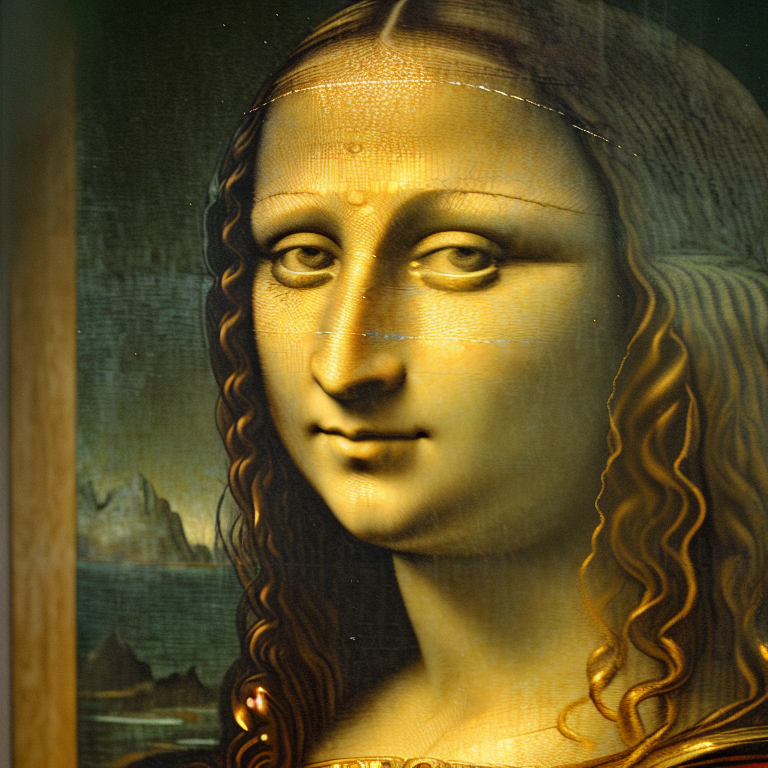
The Mona Lisa is arguably the most famous painting in the world, and her mysterious smile has captivated viewers for over 500 years. People have long wondered what makes her expression so intriguing and why it seems to change when you look at it from different angles. The answer lies in a fascinating mix of art techniques, human perception, and even a bit of science. Let’s dive into the secrets behind her smile and explore what makes this portrait so special.
The Sfumato Technique: Leonardo’s Secret Weapon
One of the main reasons the Mona Lisa’s smile is so captivating is Leonardo da Vinci’s use of a painting technique called sfumato. This Italian word means “soft” or “blurred,” and it involves blending colors and tones so subtly that there are no harsh lines or borders. When you look at the Mona Lisa’s mouth, you’ll notice that the edges of her lips are not clearly defined. Instead, they gently fade into the surrounding skin and shadows.
This technique creates a sense of depth and realism, making her expression appear more natural and lifelike. Sfumato also plays tricks on our eyes. When you focus directly on her mouth, the smile seems less pronounced, but when you look at her eyes or elsewhere on the painting, the smile appears more noticeable. This shifting effect is a big part of why her expression feels so mysterious.
How Our Brains Interpret Smiles
Our brains are wired to recognize and interpret facial expressions, especially smiles. When we see someone smile, we instantly feel a connection or emotion. But the Mona Lisa’s smile is different—it’s subtle and ambiguous. This ambiguity is key to her allure. Our brains are constantly trying to make sense of what we see, and with the Mona Lisa, we’re left guessing. Is she happy? Sad? Thoughtful? This uncertainty keeps us engaged and coming back for more.
Scientists have studied this phenomenon and found that the Mona Lisa’s smile activates the same areas of the brain that respond to real, live smiles. This means that, on some level, we react to her expression as if she were a real person standing in front of us. The combination of sfumato and the brain’s natural response to faces makes her smile feel alive and ever-changing.
The Role of Peripheral Vision
Another fascinating aspect of the Mona Lisa’s smile is how it interacts with our peripheral vision. When we look directly at her mouth, the smile seems faint. But when we shift our gaze to her eyes or the background, the smile becomes more pronounced. This happens because our peripheral vision is better at detecting light and shadow than fine details.
Leonardo da Vinci was a master of understanding how people see and perceive the world. By using sfumato and carefully placing shadows and highlights, he created an effect where the smile seems to appear and disappear depending on where we look. This clever use of human perception is a big reason why the Mona Lisa’s expression feels so dynamic and mysterious.
The Power of Ambiguity in Art
Art experts and psychologists agree that ambiguity is a powerful tool in creating lasting interest. When a piece of art is too obvious or straightforward, it can lose its appeal over time. But when there’s a bit of mystery—like the Mona Lisa’s smile—people are drawn in and want to keep looking. This is why the painting has remained so popular for centuries.
The Mona Lisa’s smile invites us to project our own feelings and interpretations onto her expression. Each viewer might see something different, and that personal connection is what makes the painting so special. This idea of ambiguity isn’t just limited to the Mona Lisa; it’s a common theme in great art and even in literature and film.
Leonardo’s Scientific Curiosity
Leonardo da Vinci was not just an artist—he was also a scientist, inventor, and thinker. He was fascinated by how the human body and mind work, and he applied this knowledge to his art. By studying anatomy, light, and perception, Leonardo was able to create paintings that felt incredibly real and emotionally engaging.
The Mona Lisa is a perfect example of how art and science can come together. Leonardo’s understanding of how we see and interpret the world allowed him to create a portrait that continues to captivate and puzzle people to this day. His curiosity and attention to detail set a new standard for artists and continue to inspire creators around the world.
The Cultural Impact of the Mona Lisa’s Smile
Over the centuries, the Mona Lisa’s smile has become a symbol of mystery and beauty in popular culture. Countless artists, writers, and filmmakers have referenced or reimagined her expression. The painting’s fame has only grown with time, partly because of the endless fascination with her smile.
In today’s world, where we’re surrounded by images and information, the Mona Lisa stands out as something truly unique. Her smile reminds us that there’s still magic and mystery in art, even in an age of digital technology. This timeless appeal is why the painting continues to draw millions of visitors to the Louvre Museum in Paris every year.
Frequently Asked Questions (FAQ)
#### Why does the Mona Lisa’s smile seem to change?
The smile changes because of Leonardo da Vinci’s use of sfumato, which blurs the edges of her mouth and lips. This makes the expression look different depending on where you focus your eyes and how your brain interprets the image.
#### Is the Mona Lisa really smiling?
Yes, the Mona Lisa is smiling, but it’s a very subtle and ambiguous smile. The exact emotion she’s expressing is up for interpretation, which adds to the painting’s mystery.
#### What is sfumato?
Sfumato is a painting technique that involves blending colors and tones so smoothly that there are no visible lines or borders. Leonardo da Vinci used this method to create a lifelike and soft appearance in the Mona Lisa.
#### Why is the Mona Lisa so famous?
The Mona Lisa is famous for its masterful technique, mysterious expression, and the story of its creation. Its fame has been boosted by its history, including being stolen from the Louvre in 1911, and its status as a cultural icon.
#### Can science explain the Mona Lisa’s smile?
Science can explain some aspects of the smile, such as how our brains and eyes perceive it. However, the emotional and artistic impact of the smile remains a unique and personal experience for each viewer.
Conclusion
The mystery of the Mona Lisa’s smile is a perfect blend of art, science, and human perception. Leonardo da Vinci’s innovative techniques, especially sfumato, create an expression that seems to change before our eyes. Our brains are naturally drawn to this ambiguity, making the painting endlessly fascinating. The Mona Lisa reminds us that great art can be both beautiful and mysterious, inviting us to look closer and think deeper. Whether you’re an art lover or just curious about the world, the story behind her smile is a wonderful example of how creativity and curiosity can leave a lasting mark on history.
Leave a Reply