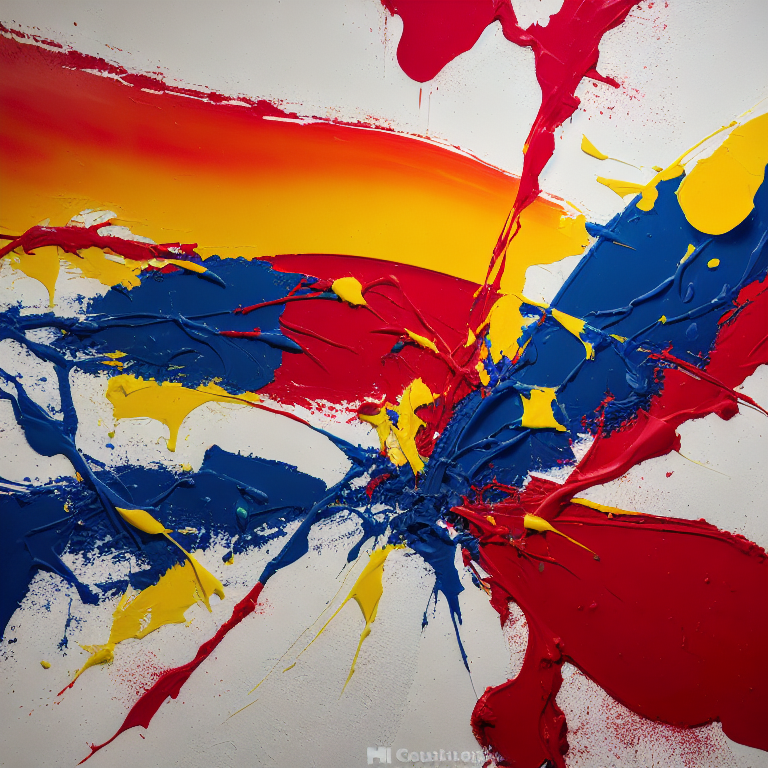
Have you ever stood in front of a huge painting covered in wild splashes and drips of paint and felt your heart race? That’s the power of abstract expressionism. This art movement from the 1940s and 1950s doesn’t show you recognizable objects like people or landscapes. Instead, it shows raw emotion through color, movement, and texture. The artists behind these works wanted to make you feel something deep inside, without using words or pictures you could easily name.
Abstract expressionism emerged in New York City after World War II, when artists were looking for new ways to express the intense feelings and experiences of their time. They threw out the rule book and created something completely different. The results were paintings that could make you feel joy, anger, sadness, or excitement just by looking at them. These artists believed that the act of painting itself was as important as the finished work.
The Physical Energy Behind the Paint
One of the biggest reasons abstract expressionism feels so emotional is the physical energy the artists put into their work. Jackson Pollock, one of the most famous abstract expressionists, would lay his canvas on the floor and walk around it, dripping paint from sticks and brushes. He moved his whole body while painting, not just his hands. This created paintings with a sense of motion that you can almost feel when you stand in front of them.
The physical process shows in the final artwork. You can see where the brush hit the canvas hard or where paint was flung across the surface. This energy transfers to you as a viewer. When you look at these paintings, you’re not just seeing colors and shapes – you’re seeing the artist’s movements frozen in time. It’s like watching a dance that happened months or years ago, but you can still feel the rhythm.
Mark Rothko, another key figure in this movement, painted huge blocks of color that seem to glow from within. He wanted viewers to stand close to his paintings and let the colors surround them. Rothko believed that the right combination of colors could make people cry. He was right – many people report feeling overwhelmed with emotion when standing in front of his large color field paintings.
How Color Choices Create Emotional Impact
Color plays a huge role in why abstract expressionism feels so powerful. The artists carefully chose their colors to create specific emotional responses. Bright reds and yellows can make you feel energized or even anxious. Deep blues and greens might calm you or make you feel sad. The way these colors interact on the canvas creates a visual conversation that speaks directly to your emotions.
Willem de Kooning used bold, clashing colors in his paintings. He would put orange next to purple or red next to green, creating tension on the canvas. This tension makes you feel something – maybe excitement, maybe discomfort. The colors don’t sit quietly next to each other; they seem to fight or dance, and that movement creates emotion.
Helen Frankenthaler developed a technique of pouring thinned paint directly onto untreated canvas. The paint would soak into the fabric, creating soft, flowing areas of color. Her paintings often use gentle blues, greens, and pinks that feel calm and peaceful. When you look at her work, you might feel like you’re floating or dreaming. The colors don’t demand your attention like de Kooning’s do – instead, they invite you to relax and feel.
The Role of Scale in Emotional Impact
Size matters in abstract expressionism. Many of these paintings are enormous – sometimes bigger than a wall in your house. When you stand in front of a painting that’s ten or fifteen feet wide, it takes up your whole field of vision. You can’t see anything else when you’re looking at it. This immersive experience makes the emotional impact much stronger.
Barnett Newman painted vertical stripes he called “zips” on huge canvases. The scale of these works makes you feel small in comparison. Some people report feeling a spiritual or religious experience when standing in front of his large paintings. The size creates a sense of awe that smaller works simply can’t achieve.
Franz Kline painted with big, bold brushstrokes on large canvases. His black and white paintings feel architectural – like you’re looking at the skeleton of a building. The large scale makes these simple black marks feel monumental. You can almost feel the weight of the paint and the strength of the artist’s arm as he made each stroke.
The Freedom to Interpret Creates Personal Connection
Abstract expressionism doesn’t tell you what to think or feel. There’s no story to follow, no person to recognize, no object to name. This freedom lets you bring your own experiences and emotions to the artwork. What you feel when looking at an abstract expressionist painting might be completely different from what someone else feels. That personal connection makes the emotional impact stronger because it’s your own feeling, not one the artist told you to have.
This freedom of interpretation is one reason why abstract expressionism continues to move people today. A painting made in 1950 can still make someone in 2024 feel something powerful. The artwork doesn’t get old because it’s not about the specific time when it was made – it’s about universal human emotions that we all experience.
Lee Krasner, who was married to Jackson Pollock, created paintings with complex layers of paint and marks. Her work doesn’t have a single meaning or feeling. Instead, it offers many possibilities for emotional response. You might see chaos or energy or growth or destruction. The fact that you get to choose what it means to you makes the experience more personal and more emotional.
The Historical Context Adds Deeper Meaning
The emotional power of abstract expressionism is connected to the time when it was created. These artists were working in New York City in the years after World War II. The world had just been through a terrible war, and many people were dealing with feelings of trauma, anxiety, and hope for the future. Abstract expressionism gave these artists a way to process those big emotions and share them with others.
The movement was also a statement of freedom and individuality. In a time when the world had seen the dangers of conformity and fascism, these artists celebrated personal expression. Their paintings were acts of freedom – they showed that one person could create something unique and meaningful. This spirit of freedom and individuality adds another layer of emotional resonance to the work.
Clyfford Still created paintings with jagged shapes and dramatic color contrasts. His work feels like it’s about struggle and survival. When you know that he was working in a time of global uncertainty, those feelings in his paintings make more sense. The art becomes a way of working through difficult emotions and finding hope or strength on the other side.
The Artist’s Emotional Journey Becomes Yours
When you look at an abstract expressionist painting, you’re not just seeing the final result – you’re seeing evidence of the artist’s emotional journey while making it. The layers of paint, the changes in direction, the moments of chaos and control all tell a story of creation. You can feel the artist’s doubt, excitement, frustration, and triumph in the marks they left behind.
This connection to the artist’s process creates empathy. You start to feel what they might have been feeling while they worked. It’s like you’re going through the creative process with them, even though you’re separated by time and space. This shared experience of creation creates a powerful emotional bond between you and the artist.
Joan Mitchell created paintings that feel like landscapes of emotion. She used layers of brushstrokes to build up complex surfaces that seem to show the history of their own making. When you look at her work, you can feel the time and effort that went into it. You can sense when she was working quickly and when she was working slowly. This sense of the artist’s presence makes the emotional experience more immediate and real.
How Abstract Expressionism Changed Art Forever
Before abstract expressionism, most Western art tried to show the physical world as accurately as possible or to tell specific stories. Abstract expressionism broke those rules completely. It showed that art could be about feelings rather than things. This was a revolutionary idea that changed how people think about what art can do.
The movement also moved the center of the art world from Paris to New York City. American artists were now leading the way in creating new forms of art. This shift gave abstract expressionism an extra layer of cultural importance and emotional weight. These paintings weren’t just about individual feelings – they were also about national identity and cultural change.
Arshile Gorky bridged the gap between European surrealism and American abstract expressionism. His paintings use organic shapes and colors that feel like they’re about growth, change, and the cycle of life. The emotional power of his work comes from how it connects personal feeling to universal experiences. You might feel that his paintings are about your own life, even though he made them decades ago.
Why These Paintings Still Move Us Today
Abstract expressionism continues to be powerful because human emotions haven’t changed. We still feel joy, anger, sadness, fear, and hope just like people did in the 1950s. The paintings that expressed those emotions back then can still speak to us today. They remind us that we’re not alone in what we feel.
The movement also feels relevant in our current age of digital images and perfect reproductions. Abstract expressionist paintings are physical objects with texture and presence that you can only fully experience in person. In a world where we often experience art through screens, these paintings offer something real and immediate. The emotional impact is stronger when you’re standing in front of the actual canvas with its layers of paint and evidence of the artist’s hand.
Ad Reinhardt created subtle paintings with barely different shades of the same color. At first glance, they might look like simple black squares. But if you spend time looking at them, you start to see the variations and depth. These paintings teach patience and attention – they reward the time you spend with them. The emotions they create come from this slow discovery rather than immediate impact.
The Physical Space of Viewing Affects Your Experience
Where and how you see abstract expressionist paintings changes how they make you feel. Many of these works are shown in large, quiet museum galleries with plenty of space around each painting. This setting lets you focus completely on the artwork without distractions. The white walls and controlled lighting help the colors and textures stand out.
The size of the room matters too. A huge painting in a small room feels different than the same painting in a large gallery. The space around the artwork becomes part of the experience. Some museums design special galleries just for large abstract expressionist works, with high ceilings and open floor plans that let you step back and take in the whole painting.
The best time to visit art galleries for fewer crowds can make a big difference in how you experience these emotional works. When you have space and quiet to yourself, you can let the paintings really affect you without feeling rushed or self-conscious. The emotional journey becomes more personal when you don’t have to share the space with lots of other people.
How Artists Use Different Techniques to Create Emotion
Each abstract expressionist artist developed their own techniques for creating emotional impact. Some used brushes, some used sticks or rags, some poured paint directly onto the canvas. The technique affects how the final painting feels to viewers. Thick, textured paint might feel energetic or violent. Smooth, flowing areas might feel calm or sad.
Franz Kline used house painter’s brushes to create his bold black and white paintings. The wide brushes and confident strokes make the paintings feel strong and direct. You can almost feel the weight of each mark. His technique creates a sense of certainty and power that comes through as confidence or even aggression.
Helen Frankenthaler’s soak-stain technique created paintings that feel soft and dreamy. The paint soaks into the canvas rather than sitting on top of it, creating a flat, integrated surface. The colors seem to float or dissolve, which can make you feel weightless or peaceful. Her technique matches the emotional quality she wanted to create.
The Legacy of Abstract Expressionism in Today’s Art
The ideas behind abstract expressionism continue to influence artists today. Many contemporary artists still use abstraction to express emotion, even if they use different techniques or add new elements like digital technology. The core belief that art can communicate feeling without showing recognizable objects remains powerful.
Some artists today combine abstract expressionist techniques with more traditional imagery. They might use expressive brushstrokes in a painting that also includes a figure or a landscape. This mixing of styles shows how the emotional power of abstract expressionism has been absorbed into broader artistic practice.
The movement also influenced other art forms beyond painting. Abstract expressionist ideas about emotional expression and individual freedom show up in modern dance, music, and even digital art. The core concept – that direct, personal expression can create powerful emotional experiences – continues to resonate across different creative fields.
Frequently Asked Questions About Abstract Expressionism
What exactly is abstract expressionism? Abstract expressionism is an art movement from the 1940s and 1950s where artists created non-representational paintings that expressed emotions through color, gesture, and scale. The art doesn’t show recognizable objects but instead uses abstract elements to create emotional impact.
Why do these paintings look so simple or messy? The apparent simplicity is deceptive. These paintings involve complex decisions about color, composition, and technique. What looks like random splashes is often carefully considered. The “messiness” is actually controlled expression of emotion and energy.
Do I need to know art history to appreciate abstract expressionism? No, you don’t need special knowledge to feel the emotional impact. While understanding the historical context can add meaning, the paintings are designed to communicate directly through visual elements. Your personal emotional response is valid regardless of your art background.
How can paint splatters be considered great art? The value isn’t in the subject matter but in the emotional communication and innovation. These artists were pioneers who found new ways to express human experience. The technique and emotional content work together to create something that resonates with viewers.
Why are some abstract expressionist paintings so expensive? The high prices reflect their historical importance, rarity, and the impact they had on art history. These paintings represent major innovations in how art could express emotion and meaning. Their influence continues to affect art being made today.
Can anyone make abstract expressionist art? While anyone can create abstract paintings, the original abstract expressionists were innovative pioneers who developed new techniques and ideas. Their work was groundbreaking in its time. However, creating art as personal expression is valuable regardless of whether you’re innovating or not.
Conclusion
Abstract expressionism remains emotionally powerful because it speaks the universal language of human feeling. These paintings don’t need translation or explanation – they reach directly into your emotions through color, movement, and scale. The artists who created them found ways to turn their inner experiences into visual form, and those forms continue to communicate across time and culture.
The next time you stand in front of an abstract expressionist painting, try to let yourself feel rather than think. Don’t worry about what it “means” or whether you’re interpreting it “correctly.” Instead, notice how it makes your body feel. Does your heart rate change? Do you feel excited or calm or sad? That direct emotional connection is exactly what these artists wanted to create. They believed that art could be a way to share the deepest parts of human experience, and their paintings continue to prove them right, generation after generation.
The emotional power of abstract expressionism reminds us that we all share the same basic feelings, no matter when or where we live. These paintings create a bridge between people across time, showing that the human experience of emotion is something we all have in common. That connection – that feeling of shared humanity – might be the most emotional thing of all.
Leave a Reply