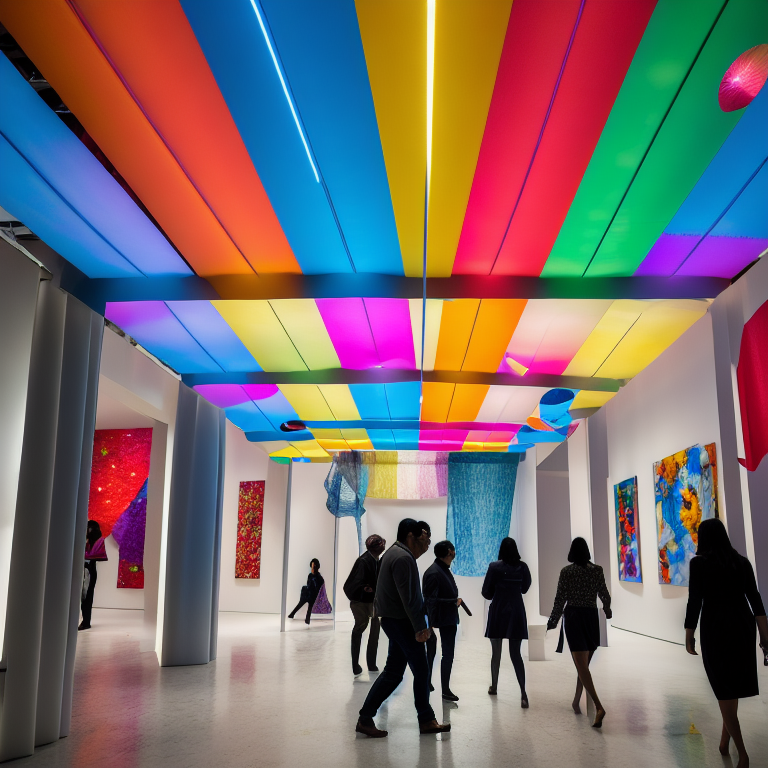
When you step into an installation art piece, something magical happens. The world outside fades away, and you find yourself completely surrounded by art. Unlike standing in front of a painting or sculpture, installation art wraps around you, creating experiences that engage all your senses. This is why installation art creates such powerful immersive experiences – it transforms how we interact with art.
The roots of installation art trace back to the 1950s and 1960s when artists began experimenting with creating environments rather than single objects. They wanted viewers to step inside their creations, not just observe from a distance. Today, installation art has become one of the most exciting forms of contemporary art, found in museums, galleries, and even public spaces around the world.
The Power of Physical Space
Installation art works so well because it uses physical space as its canvas. Instead of creating something to hang on a wall, artists design entire rooms or environments that you can walk through. This three-dimensional approach means every angle offers something new to discover. When you move through an installation, your perspective constantly changes, keeping you engaged and curious about what’s around the next corner.
The scale of installation art also plays a huge role in creating immersion. Large-scale works can make you feel small or overwhelmed in the best possible way. Think about Yayoi Kusama’s infinity mirror rooms or Christo and Jeanne-Claude’s massive outdoor installations. These works use size to transport you to another world, making you forget about everyday life for a while.
Engaging Multiple Senses
What makes installation art truly immersive is how it engages multiple senses at once. While traditional art primarily appeals to sight, installation artists often incorporate sound, touch, smell, and even taste. Some installations feature recorded sounds that respond to your movements. Others use temperature changes, textured surfaces, or aromatic elements to deepen the experience.
This multi-sensory approach creates stronger memories and emotional connections. When you touch a textured wall, hear mysterious sounds, and see changing lights all at once, your brain processes the experience more deeply. You’re not just looking at art – you’re living inside it for a moment.
The Role of Audience Participation
Modern installation art often invites direct participation from viewers. This transforms passive observers into active participants. You might be asked to walk on a specific path, press buttons, or even rearrange parts of the artwork. This interaction makes the experience personal and unique to each visitor.
Some installations change based on how people move through them. Motion sensors might trigger different sounds or lights as you walk by. This creates a dynamic relationship between the art and the audience, where your presence actually shapes the experience. It’s like having a conversation with the artwork itself.
Creating Emotional Connections
Installation art excels at creating strong emotional responses because it surrounds you completely. When every part of your visual field is filled with artistic elements, it’s easier to feel transported or transformed. Artists use this power to explore complex themes like identity, memory, politics, and the environment.
For example, an installation about climate change might use rising water levels, changing temperatures, and melting materials to make you feel the urgency of the issue. This emotional impact often stays with viewers long after they leave the gallery. Many people find that installation art experiences spark deep thoughts and conversations.
Breaking Traditional Boundaries
Installation art challenges traditional ideas about what art can be and where it belongs. These works often blur the lines between art and life, creating spaces that feel both familiar and strange. Some installations transform ordinary rooms into extraordinary experiences, while others create entirely new environments that couldn’t exist in the real world.
This boundary-breaking nature extends to how installation art is displayed. While many works live in museums and galleries, others appear in unexpected places like abandoned buildings, forests, or city streets. This flexibility allows artists to respond to specific locations and create site-specific works that couldn’t exist anywhere else.
The Temporal Nature of Experience
Unlike paintings or sculptures that remain unchanged for centuries, many installation artworks are temporary. This impermanence adds to their immersive power. Knowing that you’re experiencing something unique and fleeting can make the moment feel more special and memorable.
Some installations are designed to change over time, evolving as you watch or as different visitors interact with them. This temporal quality reminds us that art, like life, is constantly changing. It encourages viewers to be present in the moment and appreciate the experience while it lasts.
Technology and Modern Immersion
Contemporary installation artists increasingly use technology to create even more immersive experiences. Virtual reality, augmented reality, and interactive digital elements allow for experiences that would have been impossible just a few years ago. These technologies can create impossible spaces, respond to your thoughts and movements, or transport you to virtual worlds.
However, the most effective installations often combine new technology with physical elements. A room filled with digital projections becomes truly immersive when you can also touch real objects, feel temperature changes, or hear live sounds. This blend of digital and physical creates richer, more believable experiences.
The Social Aspect of Shared Experiences
Installation art often creates powerful shared experiences. When you walk through an immersive installation with others, you’re not just sharing physical space – you’re sharing an emotional journey. People often point things out to each other, discuss what they’re seeing, or simply enjoy the experience together in comfortable silence.
This social dimension adds another layer to the immersion. Seeing how others react to the artwork can influence your own experience and create connections between strangers. Many installation pieces become social media sensations because people want to share these unique experiences with others.
Frequently Asked Questions (FAQ)
What exactly defines installation art?
Installation art is a contemporary art form that creates immersive environments or experiences within a specific space. Unlike traditional art forms that exist as individual objects, installation art transforms entire rooms or areas into artistic experiences that viewers can enter and explore.
How long do installation art pieces typically last?
The duration varies widely. Some installations are temporary, lasting only days or weeks, while others become permanent fixtures in museums or public spaces. Many temporary installations are carefully documented through photographs and videos so their impact can be shared even after they’re gone.
Do I need special knowledge to appreciate installation art?
No special knowledge is required! Installation art is designed to be experienced directly. Your personal reactions and feelings are valid and important. Many people find that installation art is more accessible than traditional art forms because it engages you physically and emotionally rather than just intellectually.
Can installation art be created at home?
Absolutely! Many artists create small-scale installations in their homes or studios. You can start by transforming a room with lights, fabrics, sounds, or objects that create a specific mood or tell a story. The key is creating an environment that engages multiple senses and invites exploration.
Conclusion
Installation art creates immersive experiences by surrounding us with art that engages all our senses and invites participation. These works transform how we think about art, turning passive viewing into active exploration. Whether through massive museum installations or small personal projects, this art form continues to push boundaries and create unforgettable experiences.
The power of installation art lies in its ability to make us feel present, connected, and transformed. In a world where we’re often distracted by screens and busy lives, these immersive experiences offer something precious – a chance to be fully present in a created world, even if only for a moment. As technology advances and artists continue to innovate, installation art will likely become even more immersive and impactful in the years to come.
If you’re interested in learning more about different art forms and how they create meaning, check out our article on why art galleries still matter in our digital world. You might also enjoy exploring how artists like Frida Kahlo used their work to tell powerful life stories, creating their own kind of immersive experience through personal narrative and symbolism.
Leave a Reply