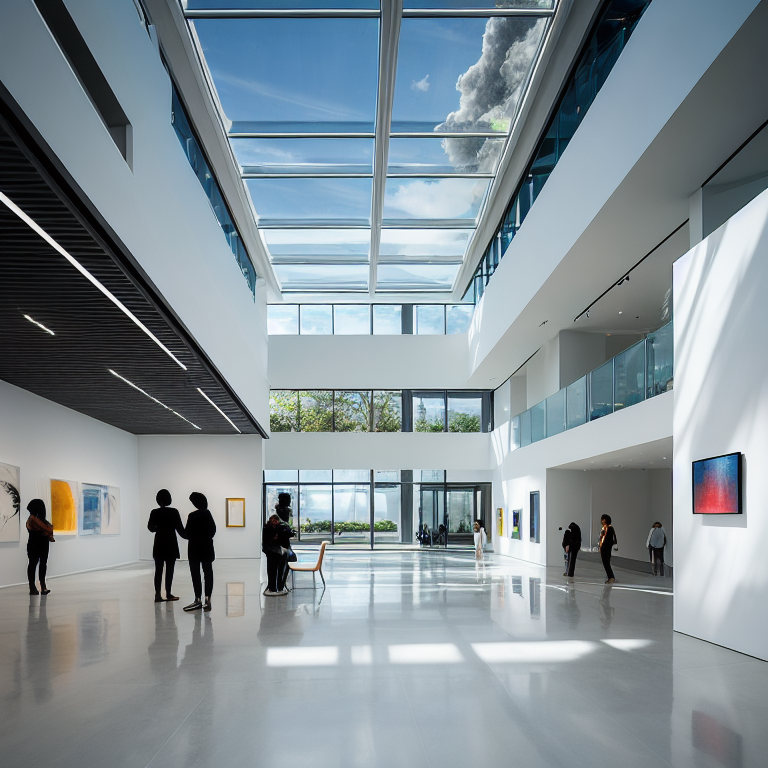
Art galleries have been around for centuries, but in today’s world of Instagram filters and virtual museum tours, you might wonder if they’re still worth visiting. The answer is a resounding yes. While digital platforms have made art more accessible than ever, physical galleries offer something unique that screens simply cannot replicate.
When you walk into an art gallery, you experience art in its truest form. The textures, the scale, the way light plays across a painting’s surface – these elements come alive only when you’re standing right in front of the artwork. No matter how high-resolution your screen might be, it cannot capture the subtle brushstrokes of a Van Gogh or the three-dimensional depth of a sculpture.
The Social Magic of Gallery Spaces
Art galleries create communities in ways that digital platforms struggle to match. When you visit a gallery, you’re surrounded by people who share your interest in art. You might strike up a conversation with a stranger about a piece that moved you, or attend an opening night where artists and art lovers mingle.
These social connections matter more than ever in our increasingly isolated digital world. Galleries host artist talks, workshops, and special events that bring people together around shared creative interests. This community aspect transforms art from a solitary viewing experience into a collective cultural journey.
If you’re looking to make the most of your gallery visits, check out these top tips for visiting art galleries like a pro. They’ll help you navigate spaces confidently and get the most out of every visit.
The Educational Value That Screens Can’t Match
Walking through a gallery provides an education that goes beyond what any online course or YouTube video can offer. Gallery curators spend months, sometimes years, planning exhibitions with specific narratives and themes. Each piece is carefully positioned to create dialogue with the surrounding works.
When you visit a gallery, you’re experiencing the curator’s vision firsthand. You can read wall texts, listen to audio guides, and sometimes even speak directly with gallery staff who can answer your questions. This immersive learning environment helps you understand not just individual artworks, but how they relate to broader artistic movements and historical contexts.
For those interested in bringing gallery experiences home, learning how to curate a stunning art gallery at home can extend your appreciation beyond institutional walls.
Supporting Living Artists Directly
One of the most important roles galleries play is supporting working artists. When you purchase art through a gallery, you’re directly contributing to an artist’s ability to continue creating. Galleries handle the business side of art – marketing, sales, shipping, and promotion – allowing artists to focus on what they do best: making art.
This support system is crucial for emerging artists trying to establish themselves. Galleries provide exposure, credibility, and access to collectors that would be nearly impossible for individual artists to achieve on their own. In an age where anyone can post their art online, galleries still serve as important gatekeepers who help quality work rise to the surface.
The Sensory Experience of Physical Art
Digital art has its place, but there’s something irreplaceable about experiencing physical artwork. The scale of a piece becomes apparent only when you stand before it. A painting that looks impressive on your phone might be overwhelming in person, or a sculpture might reveal details you’d never notice in a photograph.
The sensory experience extends beyond just sight. Many galleries now incorporate sound installations, interactive elements, and even scent-based artworks. These multi-sensory experiences create memories and emotional connections that digital viewing simply cannot achieve.
Temperature, lighting, and even the acoustics of a gallery space all contribute to how we experience art. These environmental factors are carefully controlled in galleries but are completely absent in digital viewing.
How Galleries Preserve Cultural Heritage
Art galleries play a vital role in preserving cultural heritage for future generations. They maintain proper environmental conditions, handle artworks with expert care, and document the provenance of pieces. This preservation work ensures that significant artworks survive for centuries.
Many galleries also focus on representing diverse voices and perspectives that might otherwise be overlooked. By showcasing artists from different backgrounds, cultures, and experiences, galleries help preserve a more complete picture of human creativity and expression.
The work galleries do in supporting local artists and building creative communities ensures that cultural traditions continue to evolve while honoring their roots.
The Curation Process: A Lost Art Online
In the digital age, we’re bombarded with endless streams of images and content. Social media algorithms show us what they think we want to see, often creating echo chambers of similar content. Art galleries cut through this noise by offering carefully curated experiences.
Curators make intentional choices about which artworks to display, how to arrange them, and what stories to tell. This thoughtful selection process helps viewers discover artists and styles they might never encounter otherwise. It’s like having a knowledgeable friend guide you through the vast world of art, pointing out connections and insights you might miss on your own.
Finding Your Perfect Gallery Match
Not all galleries are created equal, and that’s part of their charm. Some focus on contemporary art, others on classical works, photography, or specific cultural traditions. Finding a gallery that matches your interests can transform your art appreciation journey.
Research local galleries before visiting to understand their focus and current exhibitions. Many galleries have websites or social media presence where you can preview upcoming shows. This preparation helps you choose exhibitions that align with your tastes and interests.
For guidance on selecting the right space for your preferences, learn how to choose the perfect art gallery for your style. This knowledge will help you find venues that consistently offer exhibitions you’ll love.
The Future of Galleries in a Digital World
Rather than being replaced by digital platforms, galleries are evolving to incorporate technology in ways that enhance the physical experience. Many now offer virtual tours, augmented reality features, and online catalogs that complement their physical spaces.
This hybrid approach allows galleries to reach wider audiences while maintaining the irreplaceable value of in-person experiences. You might discover a gallery online, then visit in person to see the works up close. Or you might attend a virtual artist talk hosted by a gallery you’ve visited physically.
The most successful galleries recognize that digital tools are supplements to, not replacements for, the physical gallery experience. They use technology to enhance accessibility and engagement while preserving the magic of standing before an original artwork.
Building Your Gallery-Going Habit
Incorporating regular gallery visits into your routine can enrich your life in unexpected ways. Start by visiting local galleries during slower times – mid-week mornings often offer quieter experiences. As you become more comfortable, you can explore larger museums and attend special events.
Consider joining gallery mailing lists or following them on social media to stay informed about upcoming exhibitions. Many galleries offer free admission days or special member events that make regular visits more accessible.
Remember that there’s no “right” way to experience art. Trust your instincts, take your time with pieces that speak to you, and don’t feel pressured to like everything you see. The beauty of galleries is that they expose you to diverse perspectives and styles, helping you develop your own artistic taste.
Frequently Asked Questions (FAQ)
Q: Are art galleries still relevant when I can see so much art online for free?
A: Yes, galleries offer experiences that digital platforms cannot replicate. The physical presence of artwork, the social atmosphere, and expert curation provide value that goes beyond what you can experience through a screen.
Q: How often should I visit art galleries to really benefit from them?
A: Even monthly visits can significantly enhance your art appreciation. Regular exposure helps you develop your taste, understand artistic trends, and build connections within the art community.
Q: Are art galleries only for wealthy people who can afford to buy art?
A: Absolutely not. Most galleries welcome visitors regardless of their ability to purchase art. Many offer free admission, public programs, and educational resources that are accessible to everyone.
Q: How can I find art galleries that match my interests?
A: Research local galleries online, read reviews, and check their exhibition schedules. Many cities have gallery districts where you can visit multiple spaces in one outing. Don’t be afraid to explore different types of galleries to discover new interests.
Q: What should I do if I don’t understand the art I’m seeing?
A: Ask questions! Gallery staff are usually happy to explain artworks and provide context. You can also read wall texts, use audio guides, or attend guided tours to deepen your understanding.
Q: Are art galleries still important for supporting artists in the age of social media?
A: Yes, galleries provide crucial support that social media cannot replace. They offer professional representation, access to collectors, exhibition opportunities, and business expertise that help artists sustain their careers.
Conclusion
Art galleries remain vital cultural institutions in our digital age, offering experiences, connections, and educational opportunities that screens simply cannot provide. They support artists, preserve cultural heritage, and create communities around shared creative interests.
While digital platforms have made art more accessible, they’ve also highlighted what makes physical gallery experiences unique and irreplaceable. The sensory richness of standing before original artwork, the social connections formed in gallery spaces, and the expert curation that helps us discover new artists all contribute to galleries’ enduring relevance.
As we move further into the digital future, art galleries will likely continue evolving, incorporating new technologies while preserving the essential human experiences that make them special. Whether you’re a seasoned art collector or someone just beginning to explore the art world, galleries offer something valuable for everyone.
The next time you’re considering how to spend an afternoon, consider visiting a local gallery. You might be surprised by how much you discover – about art, about yourself, and about the vibrant creative community that surrounds you.
Leave a Reply