Author: probloggerpk1@gmail.com

  • The Hidden Stories in Ancient Egyptian Hieroglyphs

    Have you ever looked at those strange pictures on Egyptian tomb walls and wondered what they really mean? Those symbols are called hieroglyphs, and they’re not just random drawings. They’re a secret code that tells amazing stories about ancient Egyptian life, beliefs, and dreams.

    Imagine walking through a dark tomb and seeing pictures of people hunting, farming, and celebrating. Each picture is like a word in a sentence. Put them together, and you get a story that’s thousands of years old. That’s what makes hieroglyphs so special. They’re not just art – they’re a way to talk to people who lived long ago.

    In this article, we’ll crack the code of hieroglyphs and discover the hidden stories they tell. You’ll learn how to read them, what they mean, and why they’re still important today. We’ll also see how they connect to modern art and why people still love studying them. Ready to become a hieroglyph detective? Let’s go!

    ###SECTION1START###

    #### What Are Hieroglyphs? More Than Just Pictures

    Hieroglyphs are like a puzzle where each piece is a picture that means something. The word “hieroglyph” comes from Greek words that mean “sacred carvings.” The ancient Egyptians used these symbols to write on temple walls, tombs, and even on paper made from papyrus plants.

    There are three main types of hieroglyphs. Some are pictures of real things, like a bird or a pot. These are called logograms. Others show sounds, just like our letters do. These are called phonograms. And some are special marks that help you understand the meaning, like punctuation in our writing.

    Think of it like this: if you saw a picture of an eye, it could mean “eye” (the thing you see with) or it could mean the sound “I” (like in “I am happy”). That’s why reading hieroglyphs is like solving a mystery. You have to figure out if it’s a picture or a sound.

    The ancient Egyptians wrote in rows or columns, and they could read from left to right or right to left. How do you know which way? Look at the way the people and animals are facing. They always look toward the beginning of the line.

    ###SECTION1END###

    ###SECTION2START###

    #### How to Read Hieroglyphs: A Beginner’s Guide

    Reading hieroglyphs might seem hard at first, but it’s actually fun once you learn the basics. The first thing to know is that there’s no alphabet like ours. Instead, there are hundreds of symbols, each with its own meaning or sound.

    Let’s start with some simple ones. A picture of an owl usually means the sound “m.” A picture of a foot can mean “foot” or the sound “b.” A picture of water ripples means the sound “n.” It’s like learning a new language, but with pictures instead of words.

    One cool thing about hieroglyphs is that they can be read in different directions. If you see a line of symbols, look at the faces of people or animals. They always face the direction you should start reading. So if a bird is facing left, you read from left to right.

    Another trick is to look for special symbols called determinatives. These are pictures that help you understand what kind of word it is. For example, if you see a picture of a house after some symbols, it might mean those symbols are about a building or home.

    ###SECTION2END###

    ###SECTION3START###

    #### The Stories Hieroglyphs Tell: Life in Ancient Egypt

    Hieroglyphs are like a time machine that takes us back to ancient Egypt. They show us how people lived, what they believed, and what they dreamed about. On tomb walls, you’ll see pictures of farmers planting crops, fishermen catching fish, and craftsmen making pottery.

    One of the most common stories is about the afterlife. The ancient Egyptians believed that life didn’t end when you died. They thought your spirit would go on a journey to the afterlife, and hieroglyphs helped guide that journey. That’s why tombs are covered in symbols and spells to protect the dead and help them reach paradise.

    You’ll also see stories about the gods. The Egyptians worshipped many gods, each with their own powers and personalities. Hieroglyphs show us these gods in human form with animal heads. For example, Anubis, the god of the dead, has a jackal’s head. These pictures tell us what the Egyptians believed and how they prayed.

    ###SECTION3END###

    ###SECTION4START###

    #### Decoding the Secrets: Famous Hieroglyphic Texts

    Some hieroglyphic texts are so famous that people have been trying to read them for hundreds of years. One of the most important is the Rosetta Stone. This stone has the same message written in three different scripts: hieroglyphs, Demotic (another Egyptian script), and ancient Greek.

    The Rosetta Stone was the key that unlocked the mystery of hieroglyphs. Because scholars could read Greek, they could compare it to the hieroglyphs and figure out what each symbol meant. This discovery happened in 1799 and changed everything we know about ancient Egypt.

    Another famous text is the Book of the Dead. This isn’t really a book – it’s a collection of spells and prayers written on papyrus scrolls. These spells were meant to help the dead navigate the afterlife and avoid dangers. The Book of the Dead is full of beautiful pictures and powerful words that show us what the Egyptians believed about death and the soul.

    ###SECTION4END###

    ###SECTION5START###

    #### The Art of Hieroglyphs: Beauty and Meaning Combined

    Hieroglyphs are not just writing – they’re also art. The ancient Egyptians were masters at making their symbols beautiful and meaningful. They used bright colors, careful lines, and clever designs to make their writing stand out.

    One of the most amazing things about hieroglyphic art is how it tells a story. A single wall might show a whole life story, from birth to death to the afterlife. The pictures are arranged in a way that guides your eye and helps you understand the story. It’s like reading a comic book, but thousands of years old.

    The colors in hieroglyphs also have meaning. Green often represents life and growth, while red can mean power or danger. Gold is used for the gods and the afterlife, showing their importance and divine nature. Every color choice is part of the story.

    ###SECTION5END###

    ###SECTION6START###

    #### Hieroglyphs in Modern Times: Still Inspiring Today

    Even though hieroglyphs are ancient, they still inspire people today. You can see their influence in modern art, fashion, and design. Many artists use hieroglyphic symbols in their work to add mystery and history.

    Museums around the world display hieroglyphic artifacts, letting people see these ancient stories up close. If you’re planning to visit an art gallery, you might find exhibitions that include Egyptian art. Check out these tips for visiting art galleries to make the most of your experience.

    Hieroglyphs also appear in movies, books, and video games. They add a sense of adventure and mystery, making stories more exciting. Even though we can read them now, hieroglyphs still feel like a secret code that only a few people can understand.

    ###SECTION6END###

    ###SECTION7START###

    #### The Language of the Gods: Religious Meaning in Hieroglyphs

    For the ancient Egyptians, hieroglyphs were more than just writing – they were a sacred language. They believed that the gods could read these symbols and that writing them correctly was a way to honor the divine.

    Temples were covered in hieroglyphs because they were seen as the home of the gods. Every symbol was placed with care, and the writing was often done by specially trained priests. These priests were like holy scribes, using their skills to communicate with the gods.

    Some hieroglyphs were so holy that people believed they had magical powers. Writing a god’s name correctly was thought to give you power over that god. That’s why you’ll sometimes see hieroglyphs carved very deeply or protected behind barriers – they were too powerful to be touched by just anyone.

    ###SECTION7END###

    ###SECTION8START###

    #### Fun Facts About Hieroglyphs: Did You Know?

    Here are some cool things you might not know about hieroglyphs. Did you know that there are over 700 different hieroglyphic symbols? That’s a lot more than our 26 letters! Each one had to be carved or painted by hand, which took a lot of skill and patience.

    Another fun fact: hieroglyphs could be written in any direction. Sometimes they go left to right, sometimes right to left, and sometimes even top to bottom. The key is to look at the faces – they always point to the beginning of the line.

    Hieroglyphs were used for over 3,000 years. That’s longer than any other writing system in history! They changed a little over time, but the basic idea stayed the same. It’s amazing to think that people were reading and writing these symbols when the pyramids were being built.

    ###SECTION8END###

    ###SECTION9START###

    #### How Hieroglyphs Connect to Other Ancient Writing

    Hieroglyphs are part of a big family of ancient writing systems. They’re related to other scripts from the same area, like Hieratic and Demotic. These were simpler, faster ways to write hieroglyphs, kind of like how we have print and cursive writing.

    Hieroglyphs also influenced other cultures. The Phoenicians, who lived near Egypt, developed their own alphabet that was simpler than hieroglyphs. This alphabet spread around the Mediterranean and eventually became the basis for our modern alphabet.

    Even though hieroglyphs are very different from our writing, they share some things in common with other ancient scripts. For example, Mayan glyphs from Central America also use pictures to represent words and sounds. It’s like different cultures around the world discovered the same idea: pictures can be a powerful way to communicate.

    ###SECTION9END###

    ###SECTION10START###

    #### Learning Hieroglyphs Today: Resources and Tips

    If you’re interested in learning more about hieroglyphs, there are many resources available. Museums often have exhibits with real hieroglyphic artifacts, and some even offer workshops or classes. You can also find books, websites, and apps that teach you how to read and write these ancient symbols.

    One great way to start is by learning a few basic symbols and their meanings. Try writing your name in hieroglyphs or decoding simple messages. It’s like learning a secret code, and it can be really fun.

    Remember, hieroglyphs are not just about reading – they’re also about understanding the culture and beliefs of ancient Egypt. As you learn more, you’ll start to see the stories and meanings behind the symbols. It’s a journey that can take you back in time and open up a whole new world of knowledge.

    ###SECTION10END###

    ###FAQ_START###

    ###SECTION11START###

    #### Frequently Asked Questions About Hieroglyphs

    What do hieroglyphs actually say?

    Hieroglyphs can say anything – names, stories, prayers, or even shopping lists. They’re a complete writing system, so they can express any idea that the writer wants to share. Most of what we see today is from tombs and temples, so it’s often about gods, the afterlife, or the achievements of pharaohs.

    How long did it take to learn to write hieroglyphs?

    It took many years to become a skilled scribe in ancient Egypt. Young boys (and sometimes girls) would go to special schools where they learned to read, write, and do math. They had to memorize hundreds of symbols and practice writing them perfectly. It was a lot of hard work, but being a scribe was a respected and important job.

    Are hieroglyphs a language or just pictures?

    Hieroglyphs are a writing system, not a language. They were used to write the Egyptian language, just like our alphabet is used to write English. The pictures can represent words, sounds, or ideas, depending on how they’re used. It’s a bit like how emojis can be used in our texts – sometimes they’re just pictures, and sometimes they represent words or ideas.

    Can anyone learn to read hieroglyphs today?

    Yes! Many people study hieroglyphs as a hobby or as part of their education. There are books, online courses, and even apps that can teach you the basics. It’s like learning any other language or code – it takes practice, but it’s definitely possible. Some people even become experts and can read long hieroglyphic texts just like we read books today.

    Why did people stop using hieroglyphs?

    Hieroglyphs stopped being used around 400-500 AD, after Egypt was conquered by the Romans. Over time, the knowledge of how to read them was lost. It wasn’t until the discovery of the Rosetta Stone in 1799 that people were able to decode them again. Since then, we’ve learned a lot about what they mean and how they were used.

    ###SECTION11END###

    ###SECTION12START###

    #### Conclusion: The Timeless Magic of Hieroglyphs

    Hieroglyphs are more than just ancient writing – they’re a window into a world that existed thousands of years ago. They show us the hopes, dreams, and beliefs of the ancient Egyptians, and they remind us that people have always loved to tell stories.

    Learning about hieroglyphs is like going on an adventure. Every symbol is a clue, and every text is a mystery waiting to be solved. Whether you’re interested in history, art, or just love solving puzzles, hieroglyphs have something to offer.

    So next time you see those strange pictures on an Egyptian wall, remember – they’re not just drawings. They’re words, stories, and secrets from the past. And now, you have the key to unlock them. Happy exploring!

    ###SECTION12END###
  • Why the Mona Lisa Smiles: The Science Behind Her Mystery

    Why the Mona Lisa Smiles: The Science Behind Her Mystery

    The Mona Lisa is arguably the most famous painting in the world, and her mysterious smile has captivated viewers for over 500 years. People have long wondered what makes her expression so intriguing and why it seems to change when you look at it from different angles. The answer lies in a fascinating mix of art techniques, human perception, and even a bit of science. Let’s dive into the secrets behind her smile and explore what makes this portrait so special.

    The Sfumato Technique: Leonardo’s Secret Weapon

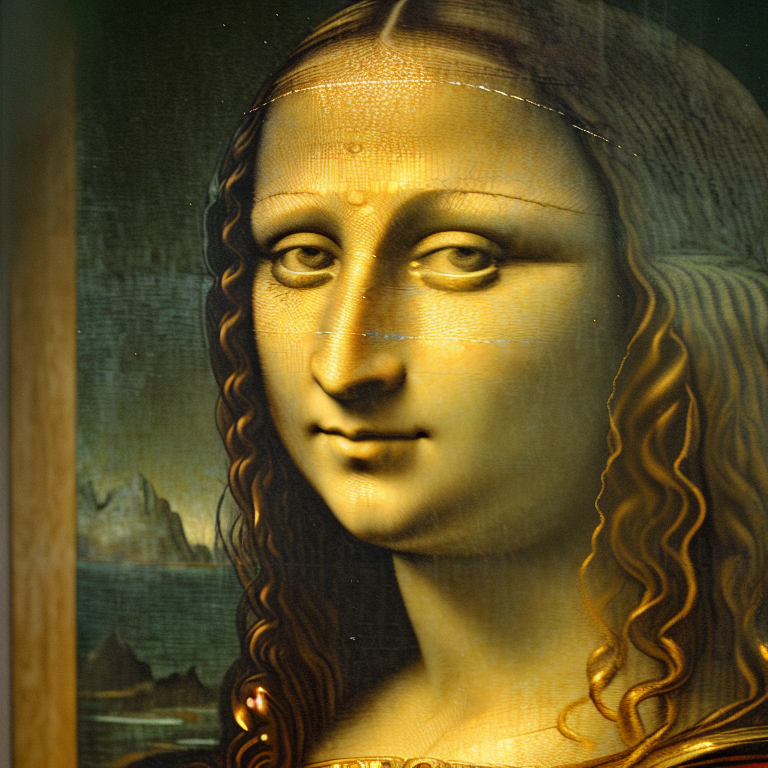
    One of the main reasons the Mona Lisa’s smile is so captivating is Leonardo da Vinci’s use of a painting technique called sfumato. This Italian word means “soft” or “blurred,” and it involves blending colors and tones so subtly that there are no harsh lines or borders. When you look at the Mona Lisa’s mouth, you’ll notice that the edges of her lips are not clearly defined. Instead, they gently fade into the surrounding skin and shadows.

    This technique creates a sense of depth and realism, making her expression appear more natural and lifelike. Sfumato also plays tricks on our eyes. When you focus directly on her mouth, the smile seems less pronounced, but when you look at her eyes or elsewhere on the painting, the smile appears more noticeable. This shifting effect is a big part of why her expression feels so mysterious.

    How Our Brains Interpret Smiles

    Our brains are wired to recognize and interpret facial expressions, especially smiles. When we see someone smile, we instantly feel a connection or emotion. But the Mona Lisa’s smile is different—it’s subtle and ambiguous. This ambiguity is key to her allure. Our brains are constantly trying to make sense of what we see, and with the Mona Lisa, we’re left guessing. Is she happy? Sad? Thoughtful? This uncertainty keeps us engaged and coming back for more.

    Scientists have studied this phenomenon and found that the Mona Lisa’s smile activates the same areas of the brain that respond to real, live smiles. This means that, on some level, we react to her expression as if she were a real person standing in front of us. The combination of sfumato and the brain’s natural response to faces makes her smile feel alive and ever-changing.

    The Role of Peripheral Vision

    Another fascinating aspect of the Mona Lisa’s smile is how it interacts with our peripheral vision. When we look directly at her mouth, the smile seems faint. But when we shift our gaze to her eyes or the background, the smile becomes more pronounced. This happens because our peripheral vision is better at detecting light and shadow than fine details.

    Leonardo da Vinci was a master of understanding how people see and perceive the world. By using sfumato and carefully placing shadows and highlights, he created an effect where the smile seems to appear and disappear depending on where we look. This clever use of human perception is a big reason why the Mona Lisa’s expression feels so dynamic and mysterious.

    The Power of Ambiguity in Art

    Art experts and psychologists agree that ambiguity is a powerful tool in creating lasting interest. When a piece of art is too obvious or straightforward, it can lose its appeal over time. But when there’s a bit of mystery—like the Mona Lisa’s smile—people are drawn in and want to keep looking. This is why the painting has remained so popular for centuries.

    The Mona Lisa’s smile invites us to project our own feelings and interpretations onto her expression. Each viewer might see something different, and that personal connection is what makes the painting so special. This idea of ambiguity isn’t just limited to the Mona Lisa; it’s a common theme in great art and even in literature and film.

    Leonardo’s Scientific Curiosity

    Leonardo da Vinci was not just an artist—he was also a scientist, inventor, and thinker. He was fascinated by how the human body and mind work, and he applied this knowledge to his art. By studying anatomy, light, and perception, Leonardo was able to create paintings that felt incredibly real and emotionally engaging.

    The Mona Lisa is a perfect example of how art and science can come together. Leonardo’s understanding of how we see and interpret the world allowed him to create a portrait that continues to captivate and puzzle people to this day. His curiosity and attention to detail set a new standard for artists and continue to inspire creators around the world.

    The Cultural Impact of the Mona Lisa’s Smile

    Over the centuries, the Mona Lisa’s smile has become a symbol of mystery and beauty in popular culture. Countless artists, writers, and filmmakers have referenced or reimagined her expression. The painting’s fame has only grown with time, partly because of the endless fascination with her smile.

    In today’s world, where we’re surrounded by images and information, the Mona Lisa stands out as something truly unique. Her smile reminds us that there’s still magic and mystery in art, even in an age of digital technology. This timeless appeal is why the painting continues to draw millions of visitors to the Louvre Museum in Paris every year.

    Frequently Asked Questions (FAQ)

    #### Why does the Mona Lisa’s smile seem to change?
    The smile changes because of Leonardo da Vinci’s use of sfumato, which blurs the edges of her mouth and lips. This makes the expression look different depending on where you focus your eyes and how your brain interprets the image.

    #### Is the Mona Lisa really smiling?
    Yes, the Mona Lisa is smiling, but it’s a very subtle and ambiguous smile. The exact emotion she’s expressing is up for interpretation, which adds to the painting’s mystery.

    #### What is sfumato?
    Sfumato is a painting technique that involves blending colors and tones so smoothly that there are no visible lines or borders. Leonardo da Vinci used this method to create a lifelike and soft appearance in the Mona Lisa.

    #### Why is the Mona Lisa so famous?
    The Mona Lisa is famous for its masterful technique, mysterious expression, and the story of its creation. Its fame has been boosted by its history, including being stolen from the Louvre in 1911, and its status as a cultural icon.

    #### Can science explain the Mona Lisa’s smile?
    Science can explain some aspects of the smile, such as how our brains and eyes perceive it. However, the emotional and artistic impact of the smile remains a unique and personal experience for each viewer.

    Conclusion

    The mystery of the Mona Lisa’s smile is a perfect blend of art, science, and human perception. Leonardo da Vinci’s innovative techniques, especially sfumato, create an expression that seems to change before our eyes. Our brains are naturally drawn to this ambiguity, making the painting endlessly fascinating. The Mona Lisa reminds us that great art can be both beautiful and mysterious, inviting us to look closer and think deeper. Whether you’re an art lover or just curious about the world, the story behind her smile is a wonderful example of how creativity and curiosity can leave a lasting mark on history.

  • The Hidden Messages in Van Gogh’s Starry Night

    Have you ever looked at Vincent van Gogh’s famous painting Starry Night and wondered what those swirling skies and glowing stars really mean? This masterpiece isn’t just a pretty picture of a night sky – it’s packed with hidden meanings and personal symbols that tell us about van Gogh’s thoughts and feelings when he painted it in 1889.

    Van Gogh created this painting while staying at a mental asylum in France, and every element in the artwork connects to his life experiences and inner world. Let’s explore the secret symbolism that makes Starry Night one of the most fascinating paintings in art history.

    The Swirling Sky: Van Gogh’s Turbulent Mind

    The most striking feature of Starry Night is the dramatic, swirling sky that dominates the canvas. These swirling patterns weren’t just random brush strokes – they represent van Gogh’s emotional state and his view of the universe.

    Art historians believe these spirals show van Gogh’s fascination with scientific discoveries of his time, particularly the idea that the universe is constantly moving and changing. The way the stars and clouds twist and turn across the sky might reflect his own turbulent thoughts and feelings while he was in the asylum.

    The thick, heavy brushstrokes create a sense of movement that makes the sky feel alive. This technique, called impasto, was one of van Gogh’s signatures, and here it adds to the feeling that the night sky is in constant motion, just like his own mind.

    The Eleven Stars: Religious and Personal Meaning

    Look closely at the sky, and you’ll count eleven stars scattered across the canvas. This number isn’t random – it likely connects to a Bible verse from Genesis that says Joseph dreamed of eleven stars bowing down to him. Van Gogh was deeply religious, and this reference suggests he saw himself as an outsider, like Joseph, who would eventually be recognized for his gifts.

    The brightest star, with its glowing halo, might represent the planet Venus, which was visible in the morning sky when van Gogh painted this work. But it could also symbolize hope or divine presence in his difficult life.

    The Cypress Tree: Life and Death

    The tall, dark cypress tree that rises from the foreground has several layers of meaning. In many cultures, cypress trees are associated with cemeteries and mourning, but they also symbolize eternal life because they’re evergreen.

    For van Gogh, this tree might represent the connection between life and death, heaven and earth. Its flame-like shape reaches up toward the sky, almost like it’s trying to touch the stars. Some art experts think this tree shows van Gogh’s struggle between his earthly troubles and his spiritual aspirations.

    The Quiet Village: Finding Peace

    Below the dramatic sky lies a peaceful village with small houses and a church steeple. This contrast between the turbulent heavens and the calm village creates a powerful visual story. The village might represent the stability and community that van Gogh longed for but never quite found.

    The church steeple, the tallest structure in the village, points upward toward the sky. This could symbolize the connection between earthly life and the divine, or it might show how religion provided structure in van Gogh’s chaotic world.

    The Color Choices: Emotional Expression

    Van Gogh’s color choices in Starry Night are far from realistic, but they perfectly capture his emotional vision. The deep blues and vibrant yellows create a sense of wonder and mystery. Blue often represents sadness or spirituality, while yellow can symbolize hope, energy, or divine light.

    The way these colors interact – the glowing yellow stars against the deep blue sky – creates a visual harmony that suggests even in darkness, there is light. This color symbolism reflects van Gogh’s belief that beauty and meaning could be found even in difficult circumstances.

    The Moon: Cycles and Change

    The crescent moon in Starry Night isn’t just a decorative element. In many cultures, the moon represents cycles, change, and the passage of time. For someone like van Gogh, who was dealing with mental health challenges, the moon’s predictable cycles might have been comforting.

    The moon’s position in the painting, along with the stars, creates a sense of cosmic order that contrasts with the swirling chaos of the sky. This balance between order and chaos is one of the painting’s most compelling aspects.

    Van Gogh’s Personal Symbols

    Many elements in Starry Night connect to other works and themes in van Gogh’s art. The swirling patterns appear in several of his paintings, suggesting this was a visual language he used to express his inner world. The combination of night sky and village landscape also appears in other works, showing his ongoing interest in the relationship between humans and the cosmos.

    Understanding these personal symbols helps us see Starry Night not just as a beautiful painting, but as a visual diary of van Gogh’s thoughts, feelings, and spiritual beliefs during a crucial period in his life.

    The Painting’s Legacy and Impact

    Starry Night has become one of the most recognized paintings in the world, and its influence extends far beyond the art world. The painting’s emotional power and symbolic depth have inspired countless artists, writers, and musicians.

    The way van Gogh combined realistic elements (the village, the cypress tree) with emotional, symbolic ones (the swirling sky) created a new way of seeing that influenced modern art. His willingness to express his inner world through symbolic imagery opened doors for future artists to explore their own emotional and spiritual experiences.

    Frequently Asked Questions (FAQ)

    What inspired van Gogh to paint Starry Night?

    Van Gogh painted Starry Night while staying at the Saint-Paul-de-Mausole asylum in southern France. He was inspired by the view from his window, memories of the Dutch countryside, and his own imagination. The painting combines real observations with symbolic elements that expressed his emotional state.

    Why is Starry Night so famous?

    Starry Night is famous for its emotional power, innovative technique, and rich symbolism. The painting perfectly captures van Gogh’s unique artistic vision and his ability to express complex feelings through color and movement. Its universal themes of hope, struggle, and the beauty of nature continue to resonate with viewers today.

    Where is the original Starry Night painting located?

    The original Starry Night painting is housed at the Museum of Modern Art (MoMA) in New York City. It was donated to the museum in 1941 and has been one of its most popular attractions ever since.

    How long did it take van Gogh to paint Starry Night?

    While we don’t know the exact time, van Gogh was known for working quickly. He likely completed the painting in a few days or weeks, though he made many studies and sketches before creating the final version.

    What do the swirling patterns in Starry Night represent?

    The swirling patterns likely represent van Gogh’s emotional state, his view of the dynamic universe, and possibly his interest in scientific discoveries about the movement of celestial bodies. These patterns create a sense of energy and movement that makes the painting feel alive.

    Why did van Gogh use such bright colors in a night scene?

    Van Gogh used bright, expressive colors to convey emotion rather than realistic representation. His color choices were influenced by his interest in color theory and his desire to express the emotional and spiritual qualities of the night sky rather than just its physical appearance.

    Conclusion

    Van Gogh’s Starry Night is far more than a beautiful painting of a starry sky – it’s a window into the artist’s soul and a masterpiece of symbolic expression. Every element, from the swirling stars to the quiet village, carries layers of meaning that connect to van Gogh’s personal experiences, spiritual beliefs, and artistic vision.

    Understanding the secret symbolism in Starry Night helps us appreciate not just the painting’s beauty, but also its emotional depth and historical significance. Van Gogh transformed a simple night scene into a powerful statement about the human experience, showing how art can express the deepest aspects of our inner lives.

    Next time you see Starry Night, take a moment to look beyond the pretty colors and swirling patterns. Think about what those elements might mean, and remember that great art often speaks to us on multiple levels – visually, emotionally, and symbolically. That’s what makes Starry Night not just a painting, but a timeless masterpiece that continues to inspire and move people around the world.

  • Why Art Galleries Still Matter in Our Digital World

    Why Art Galleries Still Matter in Our Digital World

    Art galleries have been around for centuries, but in today’s world of Instagram filters and virtual museum tours, you might wonder if they’re still worth visiting. The answer is a resounding yes. While digital platforms have made art more accessible than ever, physical galleries offer something unique that screens simply cannot replicate.

    When you walk into an art gallery, you experience art in its truest form. The textures, the scale, the way light plays across a painting’s surface – these elements come alive only when you’re standing right in front of the artwork. No matter how high-resolution your screen might be, it cannot capture the subtle brushstrokes of a Van Gogh or the three-dimensional depth of a sculpture.

    The Social Magic of Gallery Spaces

    Art galleries create communities in ways that digital platforms struggle to match. When you visit a gallery, you’re surrounded by people who share your interest in art. You might strike up a conversation with a stranger about a piece that moved you, or attend an opening night where artists and art lovers mingle.

    These social connections matter more than ever in our increasingly isolated digital world. Galleries host artist talks, workshops, and special events that bring people together around shared creative interests. This community aspect transforms art from a solitary viewing experience into a collective cultural journey.

    If you’re looking to make the most of your gallery visits, check out these top tips for visiting art galleries like a pro. They’ll help you navigate spaces confidently and get the most out of every visit.

    The Educational Value That Screens Can’t Match

    Walking through a gallery provides an education that goes beyond what any online course or YouTube video can offer. Gallery curators spend months, sometimes years, planning exhibitions with specific narratives and themes. Each piece is carefully positioned to create dialogue with the surrounding works.

    When you visit a gallery, you’re experiencing the curator’s vision firsthand. You can read wall texts, listen to audio guides, and sometimes even speak directly with gallery staff who can answer your questions. This immersive learning environment helps you understand not just individual artworks, but how they relate to broader artistic movements and historical contexts.

    For those interested in bringing gallery experiences home, learning how to curate a stunning art gallery at home can extend your appreciation beyond institutional walls.

    Supporting Living Artists Directly

    One of the most important roles galleries play is supporting working artists. When you purchase art through a gallery, you’re directly contributing to an artist’s ability to continue creating. Galleries handle the business side of art – marketing, sales, shipping, and promotion – allowing artists to focus on what they do best: making art.

    This support system is crucial for emerging artists trying to establish themselves. Galleries provide exposure, credibility, and access to collectors that would be nearly impossible for individual artists to achieve on their own. In an age where anyone can post their art online, galleries still serve as important gatekeepers who help quality work rise to the surface.

    The Sensory Experience of Physical Art

    Digital art has its place, but there’s something irreplaceable about experiencing physical artwork. The scale of a piece becomes apparent only when you stand before it. A painting that looks impressive on your phone might be overwhelming in person, or a sculpture might reveal details you’d never notice in a photograph.

    The sensory experience extends beyond just sight. Many galleries now incorporate sound installations, interactive elements, and even scent-based artworks. These multi-sensory experiences create memories and emotional connections that digital viewing simply cannot achieve.

    Temperature, lighting, and even the acoustics of a gallery space all contribute to how we experience art. These environmental factors are carefully controlled in galleries but are completely absent in digital viewing.

    How Galleries Preserve Cultural Heritage

    Art galleries play a vital role in preserving cultural heritage for future generations. They maintain proper environmental conditions, handle artworks with expert care, and document the provenance of pieces. This preservation work ensures that significant artworks survive for centuries.

    Many galleries also focus on representing diverse voices and perspectives that might otherwise be overlooked. By showcasing artists from different backgrounds, cultures, and experiences, galleries help preserve a more complete picture of human creativity and expression.

    The work galleries do in supporting local artists and building creative communities ensures that cultural traditions continue to evolve while honoring their roots.

    The Curation Process: A Lost Art Online

    In the digital age, we’re bombarded with endless streams of images and content. Social media algorithms show us what they think we want to see, often creating echo chambers of similar content. Art galleries cut through this noise by offering carefully curated experiences.

    Curators make intentional choices about which artworks to display, how to arrange them, and what stories to tell. This thoughtful selection process helps viewers discover artists and styles they might never encounter otherwise. It’s like having a knowledgeable friend guide you through the vast world of art, pointing out connections and insights you might miss on your own.

    Finding Your Perfect Gallery Match

    Not all galleries are created equal, and that’s part of their charm. Some focus on contemporary art, others on classical works, photography, or specific cultural traditions. Finding a gallery that matches your interests can transform your art appreciation journey.

    Research local galleries before visiting to understand their focus and current exhibitions. Many galleries have websites or social media presence where you can preview upcoming shows. This preparation helps you choose exhibitions that align with your tastes and interests.

    For guidance on selecting the right space for your preferences, learn how to choose the perfect art gallery for your style. This knowledge will help you find venues that consistently offer exhibitions you’ll love.

    The Future of Galleries in a Digital World

    Rather than being replaced by digital platforms, galleries are evolving to incorporate technology in ways that enhance the physical experience. Many now offer virtual tours, augmented reality features, and online catalogs that complement their physical spaces.

    This hybrid approach allows galleries to reach wider audiences while maintaining the irreplaceable value of in-person experiences. You might discover a gallery online, then visit in person to see the works up close. Or you might attend a virtual artist talk hosted by a gallery you’ve visited physically.

    The most successful galleries recognize that digital tools are supplements to, not replacements for, the physical gallery experience. They use technology to enhance accessibility and engagement while preserving the magic of standing before an original artwork.

    Building Your Gallery-Going Habit

    Incorporating regular gallery visits into your routine can enrich your life in unexpected ways. Start by visiting local galleries during slower times – mid-week mornings often offer quieter experiences. As you become more comfortable, you can explore larger museums and attend special events.

    Consider joining gallery mailing lists or following them on social media to stay informed about upcoming exhibitions. Many galleries offer free admission days or special member events that make regular visits more accessible.

    Remember that there’s no “right” way to experience art. Trust your instincts, take your time with pieces that speak to you, and don’t feel pressured to like everything you see. The beauty of galleries is that they expose you to diverse perspectives and styles, helping you develop your own artistic taste.

    Frequently Asked Questions (FAQ)

    Q: Are art galleries still relevant when I can see so much art online for free?

    A: Yes, galleries offer experiences that digital platforms cannot replicate. The physical presence of artwork, the social atmosphere, and expert curation provide value that goes beyond what you can experience through a screen.

    Q: How often should I visit art galleries to really benefit from them?

    A: Even monthly visits can significantly enhance your art appreciation. Regular exposure helps you develop your taste, understand artistic trends, and build connections within the art community.

    Q: Are art galleries only for wealthy people who can afford to buy art?

    A: Absolutely not. Most galleries welcome visitors regardless of their ability to purchase art. Many offer free admission, public programs, and educational resources that are accessible to everyone.

    Q: How can I find art galleries that match my interests?

    A: Research local galleries online, read reviews, and check their exhibition schedules. Many cities have gallery districts where you can visit multiple spaces in one outing. Don’t be afraid to explore different types of galleries to discover new interests.

    Q: What should I do if I don’t understand the art I’m seeing?

    A: Ask questions! Gallery staff are usually happy to explain artworks and provide context. You can also read wall texts, use audio guides, or attend guided tours to deepen your understanding.

    Q: Are art galleries still important for supporting artists in the age of social media?

    A: Yes, galleries provide crucial support that social media cannot replace. They offer professional representation, access to collectors, exhibition opportunities, and business expertise that help artists sustain their careers.

    Conclusion

    Art galleries remain vital cultural institutions in our digital age, offering experiences, connections, and educational opportunities that screens simply cannot provide. They support artists, preserve cultural heritage, and create communities around shared creative interests.

    While digital platforms have made art more accessible, they’ve also highlighted what makes physical gallery experiences unique and irreplaceable. The sensory richness of standing before original artwork, the social connections formed in gallery spaces, and the expert curation that helps us discover new artists all contribute to galleries’ enduring relevance.

    As we move further into the digital future, art galleries will likely continue evolving, incorporating new technologies while preserving the essential human experiences that make them special. Whether you’re a seasoned art collector or someone just beginning to explore the art world, galleries offer something valuable for everyone.

    The next time you’re considering how to spend an afternoon, consider visiting a local gallery. You might be surprised by how much you discover – about art, about yourself, and about the vibrant creative community that surrounds you.

  • How to Curate a Stunning Art Gallery at Home

    How to Curate a Stunning Art Gallery at Home

    Creating a personal art gallery at home is one of the most rewarding ways to surround yourself with beauty and inspiration. Whether you’re an art collector or simply someone who loves creativity, curating a home gallery lets you express your personality and transform your living space into a visual masterpiece. In this guide, we’ll walk through everything you need to know to design a stunning art gallery at home, from choosing the right pieces to arranging them in ways that make your space feel alive.

    Choosing the Perfect Space for Your Gallery

    The first step in curating a home art gallery is selecting the right space. Not every room works equally well for displaying art, so think about where your collection will shine brightest. Natural light is important, but direct sunlight can damage artwork over time, so rooms with large windows might need UV-protective glass or curtains. Hallways, living rooms, and even stairwells can become perfect gallery spaces if you plan thoughtfully.

    Consider the flow of traffic in your home. You want people to naturally pause and appreciate the art without feeling crowded or rushed. A dedicated wall or corner that invites quiet contemplation works best. If you’re working with a smaller space, don’t worry—creative arrangements can make even compact areas feel like professional galleries. For more inspiration on how to start your own gallery, check out this helpful guide on starting an art gallery on a budget.

    Selecting Artwork That Speaks to You

    The heart of any gallery is the artwork itself. When curating your collection, focus on pieces that truly resonate with you rather than following trends. Your gallery should tell your story and reflect your tastes, whether that means contemporary paintings, vintage photographs, or handmade sculptures.

    Mix different mediums to create visual interest. Combining paintings, prints, photographs, and three-dimensional pieces adds depth and keeps viewers engaged. Don’t be afraid to include personal creations or works from local artists—these pieces often carry special meaning and support your creative community. If you’re unsure about what makes a great gallery experience, this article on what makes a great art gallery experience offers valuable insights.

    Planning Your Layout and Arrangement

    Once you have your artwork selected, planning the layout is crucial. The way you arrange pieces can dramatically affect how they’re perceived. Start by laying everything out on the floor to experiment with different configurations before hanging anything on the walls.

    Consider the principle of balance—mix large and small pieces, and vary the spacing between frames. A symmetrical arrangement feels formal and organized, while an asymmetrical layout creates a more dynamic, modern feel. Gallery walls are particularly popular because they allow you to display multiple pieces together in a cohesive way. Remember to keep eye level in mind; artwork should generally be hung so the center is about 57-60 inches from the floor.

    Lighting: The Secret to Making Art Shine

    Lighting can make or break your home gallery. Proper illumination highlights textures, colors, and details that might otherwise go unnoticed. Natural light is beautiful but can be unpredictable, so consider adding dedicated art lighting.

    Track lighting, picture lights, and adjustable wall-mounted fixtures give you control over how each piece is lit. LED lights are ideal because they don’t emit UV rays or heat that could damage artwork. Experiment with different angles to reduce glare and shadows. If you’re interested in learning more about how galleries create the perfect atmosphere, this article on visiting art galleries like a pro has some great tips.

    Framing and Presentation Tips

    The right frame can elevate artwork and protect it for years to come. Choose frames that complement both the art and your home’s decor. Simple, elegant frames often work best because they don’t distract from the artwork itself.

    For a cohesive look, consider using frames in similar colors or materials throughout your gallery. However, mixing frame styles can also create an eclectic, collected-over-time feel that many find charming. Always use acid-free mats and backing materials to prevent artwork from yellowing or deteriorating.

    Incorporating Sculptures and Three-Dimensional Art

    Don’t limit your gallery to just wall art. Sculptures, ceramics, and other three-dimensional pieces add tactile interest and break up the visual plane. These items can be displayed on pedestals, shelves, or even integrated into furniture arrangements.

    When placing sculptures, think about how light will interact with the piece from different angles. You might need to adjust lighting more frequently for three-dimensional art than for flat works. Creating small vignettes that combine wall art with sculptural elements can make your gallery feel more curated and intentional.

    Maintaining and Evolving Your Collection

    An art gallery at home isn’t static—it should evolve as you do. Rotate pieces seasonally or when you acquire new works to keep the space feeling fresh. This also helps protect artwork from prolonged exposure to light and environmental factors.

    Regular maintenance is important too. Dust frames and glass gently, check for signs of damage, and ensure that hanging hardware remains secure. If you’re displaying particularly valuable pieces, consider consulting with a professional about conservation and insurance.

    Creating a Welcoming Atmosphere

    Your home gallery should feel inviting, not like a sterile museum. Add comfortable seating nearby so you and your guests can sit and appreciate the art. Consider including a small table with art books or catalogs that relate to your collection.

    The surrounding decor should complement rather than compete with your artwork. Neutral wall colors often work best as they don’t distract from the art, but don’t be afraid to use color if it enhances your collection. Plants, textiles, and other decorative elements can soften the space and make it feel more lived-in.

    Frequently Asked Questions (FAQ)

    How much does it cost to create a home art gallery?

    The cost varies widely depending on the artwork you choose and the quality of framing and lighting. You can start small with affordable prints and gradually build your collection over time. Many people begin with pieces under $100 and expand as their budget allows.

    What’s the best way to hang artwork without damaging walls?

    Use proper hanging hardware designed for your wall type. Picture rails, adhesive strips for lighter pieces, and professional-grade hooks can all help minimize damage. Always use at least two hanging points for larger pieces to ensure stability.

    How do I protect artwork from sunlight damage?

    Use UV-protective glass or acrylic when framing, install UV-filtering window films, and avoid hanging valuable pieces in direct sunlight. LED lighting is also safer than halogen or incandescent bulbs.

    Can I mix different art styles in one gallery?

    Absolutely! Mixing styles often creates the most interesting and personal galleries. The key is finding a unifying element, whether that’s a consistent framing style, color palette, or theme that ties everything together.

    How often should I rotate artwork in my home gallery?

    There’s no set rule, but many collectors rotate pieces every few months or with the changing seasons. This keeps the space feeling fresh and gives you a chance to appreciate different works over time.

    Conclusion

    Curating a stunning art gallery at home is a deeply personal journey that combines creativity, design, and passion. By carefully selecting artwork that speaks to you, planning thoughtful arrangements, and paying attention to lighting and presentation, you can create a space that not only looks beautiful but also nourishes your soul. Remember that your gallery should evolve with you, reflecting your changing tastes and experiences. Whether you’re displaying priceless originals or cherished prints, the most important thing is that your collection brings you joy every single day.

  • How Art Galleries Empower Local Artists and Build Creative Communities

    How Art Galleries Empower Local Artists and Build Creative Communities

    Art galleries do more than just display beautiful artwork – they serve as vital support systems for local artists trying to build their careers. These spaces provide opportunities, connections, and resources that help creative people turn their passion into a sustainable profession. Let’s explore how art galleries make a real difference in the lives of local artists and the communities they serve.

    Creating Exhibition Opportunities

    One of the biggest ways galleries support local artists is by giving them places to show their work. Many artists struggle to find venues where they can display their creations to the public. Galleries solve this problem by dedicating wall space and floor areas specifically for exhibitions.

    Local artists often get their first big break through small gallery shows. These exhibitions allow them to present a cohesive body of work to an audience that includes potential buyers, critics, and other artists. Without gallery support, many talented creators would never get the chance to share their vision with the world.

    Galleries also handle all the logistics of putting on shows – from hanging artwork to promoting the event. This frees artists to focus on what they do best: creating art. The gallery takes care of marketing materials, opening receptions, and even insurance coverage during the exhibition period.

    Building Professional Networks

    Art galleries act as connectors in the creative community. They bring together artists, collectors, curators, critics, and art lovers in one space. These connections often lead to new opportunities that artists couldn’t access on their own.

    When local artists exhibit in galleries, they meet other professionals who can help advance their careers. A gallery owner might introduce an artist to a museum curator, or a collector might commission a new piece after seeing work in a show. These relationships grow slowly over time but can have a huge impact on an artist’s success.

    Galleries also create community among artists themselves. Regular exhibitors often form friendships and support networks, sharing advice about materials, techniques, and business strategies. This peer support system helps artists stay motivated and overcome creative challenges.

    Providing Financial Support

    Making a living as an artist is notoriously difficult. Galleries help by handling the business side of art sales, including pricing, contracts, and payment processing. They typically take a commission on sales, but this arrangement allows artists to reach buyers they couldn’t access independently.

    Many galleries also offer artists advances against future sales or help them secure grants and residencies. Some provide stipends for materials or studio space, especially for emerging artists. These financial supports can make the difference between an artist continuing their practice or giving up due to financial pressure.

    The credibility that comes with gallery representation also helps artists command higher prices for their work. Collectors and institutions often feel more confident investing in artists who have gallery backing, knowing there’s professional oversight of quality and authenticity.

    Offering Educational Resources

    Beyond exhibition space, many galleries provide educational programs that help artists develop their skills and knowledge. These might include workshops on business practices, lectures about art history, or mentoring programs pairing established artists with newcomers.

    Galleries frequently host artist talks where creators can discuss their process and inspiration with the public. These events help artists develop their communication skills and learn how to talk about their work effectively – a crucial ability for career growth.

    Some galleries also maintain libraries or resource centers with information about grants, residencies, and exhibition opportunities. They might offer portfolio reviews or career counseling to help artists plan their next steps professionally.

    Preserving Local Culture

    Art galleries play a crucial role in documenting and preserving the cultural identity of their communities. Local artists often create work that reflects the unique character, history, and concerns of their region. Galleries ensure this cultural expression gets seen and remembered.

    By supporting local artists, galleries help maintain the distinctive artistic voice of a community. This cultural preservation becomes especially important as neighborhoods change and develop. The art created today becomes tomorrow’s historical record, showing future generations what mattered to people in this place and time.

    Galleries also help local art reach broader audiences through online platforms, art fairs, and collaborations with other institutions. This wider exposure can bring recognition to a community’s artistic talent and even attract cultural tourism.

    Fostering Innovation and Experimentation

    Galleries provide safe spaces for artists to try new ideas and push creative boundaries. Unlike commercial settings that might demand proven sellers, galleries can take risks on experimental work that challenges conventions or addresses difficult subjects.

    This freedom to innovate benefits both artists and viewers. Artists can develop their unique vision without commercial pressure, while audiences get to experience fresh perspectives and new artistic approaches. Some of the most important developments in art history began as experiments in gallery settings.

    Galleries also facilitate collaborations between artists working in different mediums or styles. These creative partnerships often lead to groundbreaking work that wouldn’t emerge from isolated practice. The gallery environment encourages this cross-pollination of ideas.

    Supporting Career Development

    Professional development is a major focus for many galleries working with local artists. They might help artists create professional portfolios, write artist statements, or develop pricing strategies. Some galleries provide guidance on shipping artwork, handling taxes, or negotiating contracts.

    Many galleries maintain long-term relationships with their artists, supporting their growth over years or even decades. They might help an emerging artist transition to mid-career success or assist established artists in exploring new directions. This sustained support creates stability in what is often an unpredictable profession.

    Galleries also help artists build their personal brands and online presence. In today’s digital world, having a strong professional image is crucial for success. Galleries often assist with website development, social media strategy, and press relations.

    Creating Community Engagement

    Art galleries serve as cultural hubs that bring people together around creative expression. They host events like artist talks, workshops, and community projects that engage the public with local art and artists. These activities help build appreciation for art and support for artists in the community.

    Many galleries partner with schools, offering tours and educational programs that introduce young people to art and potential career paths. They might host family days or create interactive exhibits that make art accessible to people of all ages and backgrounds.

    Galleries also contribute to the local economy by attracting visitors who might eat at nearby restaurants, shop at local stores, or stay in area hotels. This economic impact helps build political support for the arts and can lead to more resources for cultural initiatives.

    Frequently Asked Questions

    What percentage of art sales do galleries typically take?

    Most commercial galleries take between 40-60% commission on art sales, with 50% being common. This covers the gallery’s costs for exhibition space, marketing, staff, and other services they provide to artists.

    How do artists get their work into galleries?

    Artists typically approach galleries with portfolios, though many galleries also discover artists through referrals, art fairs, or open calls for submissions. Building relationships with gallery owners and other art professionals is often key to getting representation.

    Can artists work with multiple galleries at once?

    Many artists do work with multiple galleries, especially if they’re in different geographic areas or specialize in different types of art. However, most galleries prefer exclusive representation for their artists, at least within a certain territory or for certain mediums.

    Do galleries only show established artists?

    No, many galleries actively seek out emerging artists and provide platforms for new talent. Some even specialize in early-career artists, understanding that supporting new voices is crucial for the art world’s continued vitality.

    How long do gallery exhibitions typically last?

    Most gallery exhibitions run for about 4-6 weeks, though this can vary. Some experimental or community-based shows might be shorter, while museum-affiliated galleries might host longer exhibitions.

    Conclusion

    Art galleries play an essential role in supporting local artists and enriching their communities. They provide crucial resources – from exhibition space and financial support to professional development and community engagement. Without these dedicated spaces and the professionals who run them, many talented artists would struggle to build sustainable careers and share their work with the world.

    The relationship between galleries and local artists creates a vibrant cultural ecosystem that benefits everyone. Artists get the support they need to create and grow, while communities gain access to diverse artistic expressions that reflect their unique character and concerns. As we look to the future of art and culture, the importance of strong gallery support for local artists remains as vital as ever.

    Whether you’re an artist seeking representation, an art lover wanting to support local talent, or simply someone interested in the cultural life of your community, understanding the role of art galleries helps you appreciate the complex web of support that makes creative careers possible. Next time you visit a gallery, remember that you’re not just seeing art – you’re witnessing a crucial support system for the artists who enrich our world.

  • What Makes a Great Art Gallery Experience?

    What Makes a Great Art Gallery Experience?

    Walking into an art gallery can feel like stepping into another world. The right gallery experience can spark inspiration, deepen understanding, and create lasting memories. But what exactly makes a gallery visit truly great? It’s more than just hanging paintings on walls. A fantastic gallery combines thoughtful curation, welcoming atmosphere, engaging storytelling, and a touch of magic that draws visitors in.

    The best galleries create a connection between the art, the artist, and the audience. They invite curiosity and encourage exploration. Whether you’re a seasoned art lover or a curious newcomer, the qualities that make a gallery stand out remain the same. Let’s explore what transforms an ordinary gallery visit into an unforgettable experience.

    The Power of Thoughtful Curation

    Curation is the backbone of any great gallery. It’s not just about selecting beautiful pieces—it’s about telling a story. Curators carefully choose works that complement each other, creating a narrative that flows naturally from one piece to the next. This thoughtful arrangement helps visitors understand themes, movements, and the artist’s vision.

    A well-curated gallery also considers the visitor’s journey. The layout guides people through the space, offering moments of reflection and discovery. Lighting, spacing, and even the order of artworks are planned to enhance the viewing experience. Some galleries use thematic groupings, while others might showcase contrasts to provoke thought. The key is creating a cohesive experience that feels intentional and immersive.

    When curation is done right, it transforms a collection of individual works into a unified, meaningful experience. Visitors leave with a deeper appreciation of the art and the ideas behind it.

    Creating a Welcoming Atmosphere

    The atmosphere of a gallery plays a huge role in how visitors feel and engage with the art. A great gallery is inviting, comfortable, and accessible to everyone. This means clean, well-lit spaces, clear signage, and friendly staff who are eager to help.

    Comfort matters more than you might think. Seating areas, accessible pathways, and climate control all contribute to a positive experience. When visitors feel at ease, they’re more likely to linger, explore, and connect with the art.

    Some galleries also use background music or ambient sounds to enhance the mood. Others might offer refreshments or quiet zones for reflection. The goal is to make everyone—from art experts to first-time visitors—feel welcome and inspired.

    Engaging Storytelling and Context

    Art becomes even more powerful when you understand the story behind it. Great galleries provide context through labels, audio guides, or interactive displays. These tools help visitors connect with the artist’s process, the historical background, or the cultural significance of the work.

    Storytelling can take many forms. Some galleries use artist talks, workshops, or guided tours to bring the art to life. Others might display quotes, videos, or even virtual reality experiences that deepen understanding. The key is making the information accessible and engaging, without overwhelming the visitor.

    When people understand the “why” behind the art, they’re more likely to feel a personal connection. This emotional engagement is what makes a gallery visit truly memorable.

    The Role of Space and Design

    The physical space of a gallery shapes the entire experience. High ceilings, natural light, and open layouts can make art feel more dynamic and alive. Thoughtful design also means considering acoustics, temperature, and even scent to create a comfortable environment.

    Some galleries use movable walls or modular spaces to adapt to different exhibitions. Others might incorporate outdoor areas, gardens, or cafes to extend the experience beyond the gallery walls. The best spaces are flexible, allowing for both intimate encounters with art and large, immersive installations.

    Good design also considers accessibility. Wide aisles, ramps, and clear sightlines ensure that everyone can enjoy the art. When the space itself feels like part of the art, the experience becomes even more special.

    Interactive and Educational Opportunities

    A great gallery doesn’t just display art—it invites participation. Interactive elements, such as touchscreens, workshops, or hands-on activities, can make art more approachable and fun. These opportunities are especially valuable for families and younger visitors.

    Educational programs, artist residencies, and community events also add depth to the gallery experience. They create a sense of connection between the gallery, the artists, and the local community. When visitors can engage with art in multiple ways, they’re more likely to return and recommend the gallery to others.

    Some galleries even offer online resources, virtual tours, or apps that extend the experience beyond the physical space. These tools make art accessible to a wider audience and keep the conversation going long after the visit ends.

    The Importance of Staff and Community Engagement

    The people who work in a gallery can make or break the experience. Knowledgeable, friendly staff create a welcoming environment and are always ready to answer questions or offer insights. Their enthusiasm for the art is contagious and helps visitors feel more connected.

    Community engagement is also crucial. Great galleries host events, collaborate with local artists, and support educational initiatives. They become cultural hubs where people gather, learn, and share ideas. When a gallery is deeply rooted in its community, it becomes more than just a place to see art—it becomes a vital part of the city’s cultural life.

    Some galleries even partner with schools, nonprofits, or local businesses to broaden their impact. These collaborations help make art accessible to everyone and foster a sense of belonging.

    Embracing Technology and Innovation

    Technology can enhance the gallery experience in exciting ways. Digital labels, augmented reality, and interactive apps bring new layers of meaning to the art. Some galleries use projection mapping or soundscapes to create immersive environments that transport visitors into the world of the artist.

    Online platforms and social media also play a role. Galleries that share behind-the-scenes content, artist interviews, or virtual tours can reach a global audience. This digital presence helps build anticipation for exhibitions and keeps visitors engaged between visits.

    However, technology should always serve the art, not overshadow it. The best galleries use innovation to deepen understanding and spark curiosity, while still honoring the power of the physical artwork.

    Frequently Asked Questions (FAQ)

    What should I look for when choosing an art gallery to visit?

    Look for galleries with a reputation for thoughtful curation, welcoming atmosphere, and engaging programs. Check if they offer guided tours, artist talks, or interactive experiences. Reading reviews or asking for recommendations can also help you find a gallery that matches your interests.

    How can I make the most of my gallery visit?

    Take your time, read the labels, and don’t be afraid to ask questions. Many galleries offer audio guides or apps to enhance your experience. If possible, join a tour or attend an event to learn more about the art and artists. Remember, there’s no right or wrong way to experience art—trust your instincts and enjoy the journey.

    Are art galleries suitable for children and families?

    Absolutely! Many galleries offer family-friendly programs, interactive exhibits, and hands-on activities designed for kids. Some even have dedicated spaces for children to create their own art. Check the gallery’s website for family events or ask staff for recommendations on kid-friendly exhibits.

    How can I support my local art gallery?

    Visit regularly, attend events, and consider becoming a member or making a donation. Sharing your experiences on social media or recommending the gallery to friends also helps spread the word. Supporting local artists and participating in community programs are other great ways to contribute.

    What makes a gallery experience different from visiting a museum?

    Galleries often focus on contemporary or specialized art, offering a more intimate and focused experience. They may showcase emerging artists, experimental works, or niche themes. Museums, on the other hand, tend to have broader collections and more extensive educational programs. Both offer unique opportunities to connect with art.

    Conclusion

    A great art gallery experience is about more than just seeing beautiful things on walls. It’s about feeling welcomed, inspired, and connected—to the art, the artist, and the community. Thoughtful curation, engaging storytelling, welcoming spaces, and interactive opportunities all play a part in creating a memorable visit.

    The best galleries invite curiosity, spark conversation, and leave a lasting impression. Whether you’re a lifelong art lover or just beginning your journey, the qualities that make a gallery truly great remain the same. So next time you step into a gallery, take a moment to appreciate all the thought, care, and creativity that goes into making your experience unforgettable.

  • How to Start Your Own Art Gallery on a Budget

    How to Start Your Own Art Gallery on a Budget

    Starting your own art gallery is a dream for many art lovers, but the idea of high costs can feel overwhelming. The good news is that you don’t need a huge budget or a fancy location to make it happen. With creativity, careful planning, and a focus on community, you can create a space that showcases amazing art and connects artists with audiences. Whether you’re passionate about contemporary paintings, photography, or local crafts, this guide will walk you through the steps to launch your gallery without breaking the bank.

    Why Start an Art Gallery?

    Art galleries are more than just places to display artwork—they’re cultural hubs that bring people together. They give artists a platform to share their work, help communities engage with creativity, and can even boost local economies. Starting a gallery lets you shape the art scene in your area and support emerging talent. Plus, it’s a chance to turn your passion for art into a meaningful business.

    Step 1: Define Your Vision and Niche

    Before you do anything else, think about what kind of gallery you want to create. Are you drawn to modern abstract art, traditional landscapes, or maybe photography? Focusing on a specific style or theme will help you stand out and attract the right audience. For example, you might specialize in local artists, eco-friendly art, or a mix of mediums like sculpture and digital works.

    Take time to research what’s already out there. Visit local galleries, talk to artists, and see what gaps exist in your community. This will help you find your unique angle and build a clear vision for your space.

    Step 2: Choose the Right Location

    You don’t need a big, expensive storefront to start a gallery. Many successful galleries begin in smaller, more affordable spaces. Consider pop-up locations, shared studio spaces, or even your own home if it’s accessible to the public. Look for areas with foot traffic, like near cafes, shops, or community centers.

    If renting a traditional space is too costly, think outside the box. Could you use a vacant storefront for a temporary exhibit? Partner with a local business to display art in their space? Or host events in parks or public buildings? Flexibility is key when you’re working with a tight budget.

    Step 3: Source Affordable Art and Artists

    Building relationships with artists is at the heart of running a gallery. Reach out to local art schools, attend open studios, and join online artist communities. Many emerging artists are excited to show their work and may be open to flexible arrangements, like consignment or revenue sharing.

    You can also explore affordable art options like prints, small originals, or collaborative projects. Hosting group shows or themed exhibitions can help you feature more artists without needing a huge inventory. Remember, your goal is to create a welcoming space that supports both artists and visitors.

    Step 4: Set Up Your Space on a Budget

    Creating an inviting gallery doesn’t require expensive renovations. Start with a clean, neutral backdrop—white walls and good lighting can make any space feel professional. Look for affordable display options like floating shelves, simple frames, or even DIY solutions.

    Lighting is especially important. Natural light is ideal, but if that’s not possible, invest in a few adjustable spotlights or LED track lighting. You can often find budget-friendly options at home improvement stores or online marketplaces.

    Don’t forget about the little details that make a space feel special—comfortable seating, a small refreshment table, or a guestbook for visitors to leave comments.

    Step 5: Promote Your Gallery Creatively

    Marketing doesn’t have to be expensive. Start by building a strong online presence. Create a simple website or use social media platforms like Instagram and Facebook to showcase your artists and upcoming events. High-quality photos of your exhibits can attract attention and build excitement.

    Get involved in your community by hosting free events, workshops, or artist talks. Partner with local businesses, schools, or nonprofits to cross-promote and reach new audiences. Word-of-mouth is powerful—encourage visitors to share their experiences online and invite friends.

    For more tips on making the most of your gallery visits, check out these helpful strategies for visiting art galleries like a pro.

    Step 6: Manage Finances and Pricing

    Keeping costs low is essential when starting out. Track all your expenses, from rent and utilities to marketing and supplies. Set clear budgets for each area and look for ways to save, like buying second-hand furniture or sharing costs with other local businesses.

    When it comes to pricing art, be transparent and fair. Work with artists to agree on commission rates and payment schedules. Consider offering a range of price points to make art accessible to different buyers. You might also explore alternative revenue streams, like selling artist merchandise or hosting ticketed events.

    Step 7: Build a Strong Community Connection

    A successful gallery is more than just a place to buy art—it’s a community hub. Host regular events like opening receptions, artist meet-and-greets, or educational workshops. These gatherings help build relationships and keep people coming back.

    Collaborate with local schools, charities, or cultural organizations to bring art to a wider audience. You could even organize community art projects or public installations. The more connected you are to your community, the more support you’ll receive.

    Step 8: Keep Learning and Adapting

    The art world is always changing, so stay curious and open to new ideas. Attend other galleries, read art blogs, and talk to fellow gallery owners. Don’t be afraid to experiment with different formats, themes, or marketing strategies.

    If you’re looking for inspiration on how to choose the perfect art gallery for your style, this guide offers great insights.

    Step 9: Plan for Growth

    As your gallery gains traction, think about how you can expand. This might mean moving to a larger space, adding online sales, or representing more artists. Set realistic goals and revisit your business plan regularly to make sure you’re on track.

    Remember, growth doesn’t always mean bigger—it can also mean deeper connections with your community or a stronger reputation for supporting local talent.

    Step 10: Stay Passionate and Patient

    Starting a gallery is a journey, and it takes time to build a following and establish your reputation. Stay true to your vision, celebrate small wins, and keep learning from every experience. Your passion for art and your commitment to your community will be your greatest assets.

    Frequently Asked Questions (FAQ)

    How much money do I need to start an art gallery?

    You can start a small gallery for as little as a few thousand dollars, especially if you use creative, low-cost solutions for space and marketing. The key is to start small and reinvest any profits as you grow.

    Do I need a business degree to run a gallery?

    No, but it helps to have some basic business skills or a willingness to learn. There are many free or low-cost resources online to help you with things like budgeting, marketing, and legal requirements.

    How do I find artists to represent?

    Start by attending local art events, visiting art schools, and joining online artist communities. Build relationships by attending open studios and reaching out directly to artists whose work you admire.

    What are the biggest challenges for new galleries?

    Common challenges include finding affordable space, attracting visitors, and managing finances. Staying flexible and focusing on community engagement can help you overcome these hurdles.

    Can I run a gallery as a side business?

    Yes, many gallery owners start part-time while keeping other jobs. Just make sure you have enough time to dedicate to building relationships with artists and promoting your space.

    How do I price artwork in my gallery?

    Work with artists to set fair prices based on their experience, the size and medium of the work, and your local market. Be transparent about commissions and payment schedules.

    Conclusion

    Starting your own art gallery on a budget is an exciting and rewarding adventure. By focusing on your unique vision, building strong community connections, and staying creative with your resources, you can create a space that celebrates art and brings people together. Remember, every great gallery starts with a single step—and yours can begin today. For more inspiration, explore the best times to visit art galleries for fewer crowds and make the most of your art journey.

  • The Best Time to Visit Art Galleries for Fewer Crowds

    Visiting art galleries can be a wonderful experience, but nothing ruins the magic faster than standing shoulder-to-shoulder with strangers trying to see the same masterpiece. The good news is that with a little planning and insider knowledge, you can enjoy art in peace and quiet. This guide will walk you through the best times to visit art galleries when crowds are at their lowest, so you can have those special moments of connection with art that you deserve.

    Early Morning Visits: The Golden Hours

    The absolute best time to visit most art galleries is right when they open in the morning. Most galleries open between 10 AM and 11 AM, and for the first hour or two, you’ll often have the place almost to yourself. This is especially true on weekdays when local visitors are at work and tourists are still having breakfast or planning their day.

    Early mornings offer several advantages beyond just fewer people. The lighting in galleries is often at its best during these hours, with natural light streaming through windows creating beautiful conditions for viewing art. You’ll also be fresh and alert, ready to take in all the details and information. Plus, gallery staff are typically more available and energetic early in the day, so you can ask questions and get recommendations without feeling rushed.

    If you’re a morning person, this is your ideal window. Aim to arrive 15-20 minutes before opening time to be among the first inside. You can check gallery websites for exact opening times and any special morning hours they might offer.

    Weekday Afternoons: The Sweet Spot

    If mornings don’t work for your schedule, weekday afternoons can be another excellent option for avoiding crowds. Most people visit galleries between 11 AM and 2 PM or after work hours around 5 PM to 7 PM. By going in the late afternoon, typically between 2 PM and 4 PM on weekdays, you’ll miss both the lunch crowd and the after-work rush.

    Tuesday through Thursday afternoons are particularly good choices. Many people take long lunches on Fridays, and Mondays can be busy with people returning from weekend trips. The mid-week afternoon sweet spot often means you’ll share the gallery with just a handful of other art lovers rather than busloads of tourists.

    During these hours, you might also catch special gallery events like artist talks or guided tours that happen during slower periods. Check the gallery’s events calendar when planning your visit.

    Seasonal Considerations: When to Go

    The time of year dramatically affects how crowded art galleries will be. Summer months, especially July and August, bring the highest tourist numbers to most cities. Winter, particularly January and February, tends to be the slowest season for tourism, making it ideal for crowd-free gallery visits.

    Spring and fall offer moderate crowds with pleasant weather for combining gallery visits with outdoor activities. However, if you’re specifically looking to avoid people, winter weekday visits can’t be beaten. Many galleries also have special winter exhibitions during these slower months, giving you more to see with fewer people around.

    Major holidays and school vacation periods should be avoided if possible. Spring break, summer vacation, Thanksgiving weekend, and the week between Christmas and New Year’s Day see dramatic increases in visitor numbers. Instead, aim for the weeks right after major holidays when tourist numbers drop off sharply.

    Special Hours and Members-Only Times

    Many art galleries and museums offer special hours designed for people who want a quieter experience. Some institutions have “quiet hours” or “sensory-friendly hours” specifically created for visitors who prefer a calmer environment. These might be early morning hours once a month or special evening hours during slower seasons.

    Becoming a member of your favorite galleries can also give you access to members-only hours, which are typically much less crowded than public hours. Members often get to preview new exhibitions before they open to the general public, giving you a chance to see popular shows without the crowds that will come later.

    Some galleries also participate in programs like “First Tuesdays” or “Pay What You Wish” days, which can actually be great for avoiding crowds because they’re on weekdays rather than weekends. Always check the gallery’s website for these special programs and plan accordingly.

    Weather and Its Impact on Gallery Attendance

    Believe it or not, the weather outside can significantly impact how crowded galleries are inside. On beautiful sunny days, many tourists choose outdoor activities over indoor gallery visits, leaving the art spaces much quieter. This means that even during peak tourist season, a perfect weather day might actually be your best chance for a peaceful gallery experience.

    Conversely, rainy days and extremely hot or cold weather drive more people indoors, making galleries busier than usual. If you have flexibility in your schedule, try planning gallery visits for days with pleasant weather forecasts. You might sacrifice perfect museum conditions for a much more enjoyable, crowd-free experience.

    Early morning visits on sunny weekdays during the shoulder seasons (late spring or early fall) often provide the ideal combination of good weather, fewer tourists, and comfortable gallery conditions.

    How to Choose the Perfect Art Gallery for Your Style

    Before planning your visit, it helps to know what type of gallery experience you’re looking for. Some galleries are naturally less crowded than others, regardless of when you visit. Smaller, more specialized galleries often have fewer visitors than major museums, even during peak hours. If you’re interested in contemporary art, for example, a small contemporary gallery might offer a more intimate experience than a large museum with a famous collection.

    You can also look for galleries that are slightly off the beaten path or in neighborhoods that tourists don’t typically visit. These hidden gems often have fascinating collections and exhibitions but see far fewer visitors than their downtown counterparts. Plus, you’ll get to explore different parts of the city while avoiding the crowds.

    For more detailed guidance on finding galleries that match your interests, check out our comprehensive guide on how to choose the perfect art gallery for your style.

    Making the Most of Your Quiet Gallery Experience

    Once you’ve chosen the best time to visit, there are several ways to enhance your crowd-free gallery experience. Start by researching the gallery’s layout and current exhibitions online before your visit. This way, you can head directly to the pieces you’re most interested in rather than wandering aimlessly during your precious quiet time.

    Consider bringing a small notebook to jot down thoughts or sketch interesting details. Many galleries don’t allow large bags or photography, but a small notebook is usually permitted and can enhance your experience. You might also want to download any gallery apps or audio guides before arriving, as the Wi-Fi in galleries can be slow during busy times (though you likely won’t have this problem during your quiet visit).

    If you’re visiting multiple galleries in one day, plan your route strategically. Start with the most popular gallery during its least busy hours, then move to smaller galleries as the day progresses. This way, even if the first gallery gets busier later, you’ll have already seen what you wanted to see.

    Frequently Asked Questions

    What is the absolute least busy time to visit art galleries?

    The absolute least busy time is typically Tuesday or Wednesday mornings right when the gallery opens. Most people are at work, tourists are still planning their day, and you’ll often have entire rooms to yourself for the first hour of operation.

    Do evening hours offer fewer crowds than daytime hours?

    It depends on the gallery and day of the week. Weekday evenings after 4 PM are often less crowded than lunchtime hours, but weekend evenings can be quite busy. Check the specific gallery’s attendance patterns online or call ahead to ask about their quietest hours.

    Are there any free times that are also less crowded?

    Yes, many galleries offer free hours on weekday mornings or early afternoons that tend to be less crowded than weekend free hours. Look for “pay what you wish” days on Tuesdays or Wednesdays rather than weekends for the best combination of affordability and low attendance.

    How far in advance should I plan my visit for the best experience?

    For major exhibitions, planning 2-3 weeks in advance allows you to check the gallery’s calendar for special events, quiet hours, and any temporary closures. For regular gallery visits, planning 24-48 hours ahead gives you time to check weather forecasts and special event schedules.

    Do smaller galleries have better crowd control than large museums?

    Generally yes. Smaller galleries have less foot traffic overall and can provide a more intimate experience even during moderately busy times. They also tend to have more flexible hours and may offer private viewing appointments if you really want to avoid crowds.

    Conclusion

    Finding the perfect time to visit art galleries for fewer crowds is all about timing, planning, and a bit of flexibility. By choosing early weekday mornings, targeting seasonal slow periods, taking advantage of special hours, and being strategic about weather conditions, you can transform your gallery experience from stressful to serene.

    Remember that the goal is to connect with art in a meaningful way, and that’s much easier when you’re not fighting through crowds or waiting in line to see each piece. Whether you’re a serious art enthusiast or just looking for a peaceful cultural experience, these timing strategies will help you make the most of your gallery visits.

    For even more tips on becoming a pro at gallery visits, including how to navigate exhibitions efficiently and what to bring for the best experience, be sure to read our complete guide on top tips for visiting art galleries like a pro. Your future self, enjoying a quiet gallery all to yourself, will thank you for the planning and patience.

  • Top Tips for Visiting Art Galleries Like a Pro

    Top Tips for Visiting Art Galleries Like a Pro

    Visiting an art gallery can feel overwhelming, especially if you’re not sure what to expect or how to make the most of your time. But with a few simple strategies, you can transform your gallery experience into something truly memorable. Whether you’re a first-time visitor or a seasoned art lover, these tips will help you explore galleries like a pro, appreciate the art on a deeper level, and even discover your own personal style.

    Before you even step into a gallery, it’s helpful to do a little homework. Many galleries have websites where you can preview current exhibitions, read about the artists, and even find out about special events or guided tours. This preparation can give you a sense of what to expect and help you focus your attention on the pieces that interest you most. If you’re unsure where to start, check out resources like the Smithsonian American Art Museum’s guide to visiting galleries, which offers practical advice for all ages.

    Once you arrive, take a moment to pause at the entrance. Many galleries have information desks or brochures that provide context about the current exhibitions. Reading these can give you a framework for understanding the art you’re about to see. If you’re visiting with friends or family, consider discussing your expectations and interests beforehand. This can make the experience more engaging and spark interesting conversations as you explore.

    As you move through the gallery, remember that there’s no “right” way to look at art. Some people prefer to start at the beginning and move methodically through each room, while others like to wander and let their curiosity guide them. Trust your instincts and take your time. If a piece catches your eye, stop and spend a few moments with it. Notice the colors, textures, and shapes. Ask yourself how the artwork makes you feel and what thoughts it brings to mind.

    It’s also a good idea to read the labels next to each piece. These often include the artist’s name, the title of the work, the year it was created, and sometimes a brief description or background. This information can provide valuable context and help you appreciate the artist’s intentions. If you’re interested in learning more, many galleries offer audio guides or apps that provide additional insights and stories about the artwork.

    One of the best ways to deepen your appreciation for art is to engage with it actively. Try sketching a piece that inspires you, or jot down your thoughts and impressions in a notebook. This can help you notice details you might otherwise miss and make the experience more personal. If you’re visiting with others, discuss your observations and interpretations. Hearing different perspectives can enrich your understanding and make the visit more enjoyable.

    When it comes to photography, always check the gallery’s policy before snapping pictures. Some galleries allow non-flash photography, while others prohibit it altogether. If photography is permitted, be mindful of other visitors and avoid using flash, as it can damage delicate artworks. Remember, the goal is to experience the art in person, not just capture it on your phone.

    If you’re interested in buying art, visiting galleries is a great way to discover new artists and styles. Many galleries have staff who are happy to answer questions and provide information about purchasing artwork. For tips on how to choose the perfect art gallery for your style, you might find this helpful guide useful.

    After your visit, take some time to reflect on what you saw and felt. You might want to revisit certain pieces in your mind, look up more information about the artists, or even try creating your own art inspired by your experience. Sharing your visit with friends or on social media can also help you process what you’ve learned and inspire others to explore galleries as well.

    Visiting art galleries is a wonderful way to connect with culture, history, and creativity. By approaching each visit with curiosity and an open mind, you’ll find that every trip offers something new and inspiring. Whether you’re admiring classic masterpieces or discovering cutting-edge contemporary works, the key is to enjoy the journey and let the art speak to you in its own unique way.

    ###CONTENT_END