Category: Art History

  • How Frida Kahlo Used Art to Tell Her Life Story

    How Frida Kahlo Used Art to Tell Her Life Story

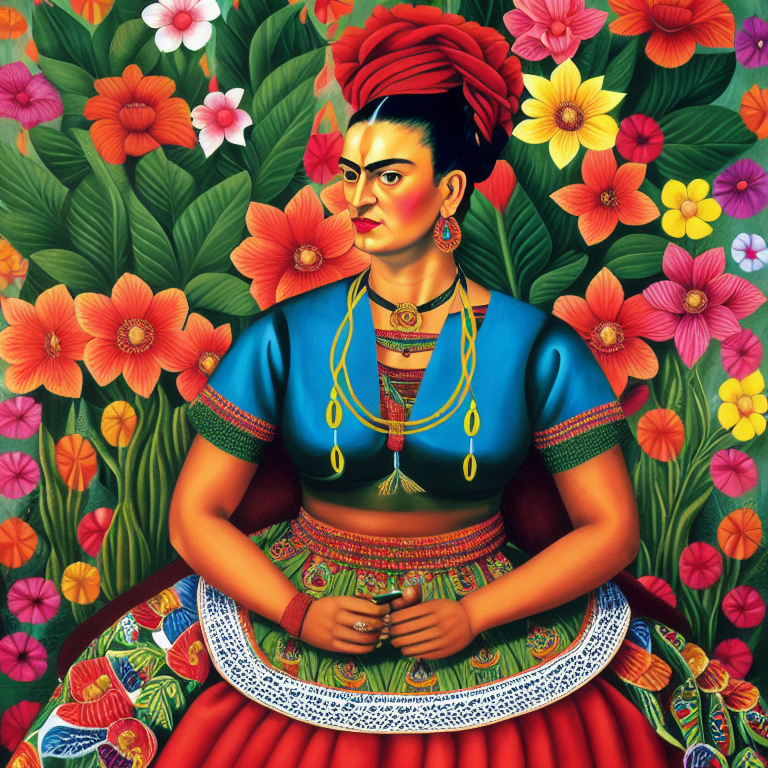
    Frida Kahlo’s paintings tell her life story in ways words never could. Her art serves as a visual diary, documenting her physical pain, emotional struggles, and cultural identity through powerful imagery. Each brushstroke reveals another chapter of her remarkable journey, making her work deeply personal yet universally relatable.

    Frida transformed her suffering into stunning visual narratives that continue to captivate audiences worldwide. Her paintings don’t just show what happened to her – they make you feel what she experienced. Through her art, we walk in her shoes, experiencing her triumphs and tragedies as if they were our own.

    The Physical Pain That Shaped Her Vision

    Frida’s relationship with pain began early in life when she contracted polio at age six. This childhood illness left her right leg permanently weakened and thinner than her left. However, this was just the beginning of her physical struggles. At eighteen, a devastating bus accident changed her life forever, breaking her spine, pelvis, ribs, and right leg in multiple places.

    During her long recovery in bed, Frida began painting to combat boredom and depression. She used a special easel that allowed her to paint while lying down, with a mirror attached above her so she could see herself. This setup became her creative sanctuary, where she transformed her physical limitations into artistic possibilities.

    Her paintings from this period show the raw reality of chronic pain and medical procedures. Works like “The Broken Column” (1944) display her spine as a shattered ionic column, her body split open to reveal the metal corset that held her together. The nails piercing her skin represent the constant physical agony she endured. Through these images, Frida documented her body’s deterioration while simultaneously celebrating its resilience.

    Cultural Identity Through Color and Symbolism

    Frida’s art celebrates Mexican culture with vibrant colors and traditional symbolism. She often wore traditional Tehuana dresses and incorporated indigenous Mexican elements into her paintings. These choices weren’t just aesthetic – they represented her deep connection to her Mexican heritage and her rejection of European cultural dominance.

    Her self-portraits frequently feature Mexican folk art motifs, pre-Columbian artifacts, and Catholic imagery. In “The Two Fridas” (1939), she paints two versions of herself sitting side by side, connected by a shared artery. One wears traditional Mexican clothing while the other wears a European-style dress. This duality represents her mixed heritage and the cultural conflict she felt as a mestiza woman.

    The plants and animals in her paintings also carry cultural significance. Monkeys, which appear frequently in her work, were considered symbols of lust in Mexican mythology. However, Frida painted them as protective companions, showing how she reclaimed and redefined traditional symbols to match her personal experience.

    Love and Heartbreak on Canvas

    Frida’s tumultuous relationship with fellow artist Diego Rivera profoundly influenced her art. Their marriage was passionate, complicated, and often painful. Frida painted their relationship with brutal honesty, showing both the joy and the devastation they caused each other.

    In “Diego and I” (1949), Frida paints Diego’s face on her forehead, suggesting his constant presence in her thoughts. She also includes a third eye on her forehead, representing her emotional insight and psychic connection to him. The tears streaming down her face and the strands of hair wrapped around her neck suggest both her devotion and her feeling of being strangled by their relationship.

    Their love story took another turn in “The Two Fridas” mentioned earlier. The painting was created during their divorce in 1939, with the European-dressed Frida holding surgical scissors that cut the shared artery, causing blood to drip onto her white dress. This powerful image captures the emotional bleeding of their separation while the intact artery connecting the two figures suggests their eternal bond.

    Political Statements Through Personal Stories

    Frida’s art wasn’t just personal – it was deeply political. She identified as a communist and used her paintings to comment on social injustice, gender roles, and political oppression. Her self-portraits often included references to her political beliefs and social activism.

    In “Self-Portrait Dedicated to Leon Trotsky” (1937), Frida paints herself holding a letter to the exiled Russian revolutionary. She wears a revolutionary’s uniform and a red star on her forehead, aligning herself with leftist political movements. This wasn’t just a portrait – it was a political statement about her beliefs and alliances.

    Her painting “Marxism Will Give Health to the Sick” (1954) shows her being healed by the hands of Marx while her body breaks free from the metal corset. This work combines her personal struggle with chronic pain and her political belief that communism could heal society’s ills. Through such paintings, Frida used her personal experiences to comment on larger social and political issues.

    The Power of Self-Portraiture

    Frida created 55 of her approximately 143 paintings as self-portraits. She once explained, “I paint myself because I am so often alone and because I am the subject I know best.” These self-portraits go far beyond simple vanity – they are psychological explorations and cultural statements.

    Her self-portraits often show her with her signature unibrow and slight mustache, challenging conventional beauty standards. She refused to hide these features, instead emphasizing them as symbols of her identity and strength. In “Self-Portrait with Thorn Necklace and Hummingbird” (1940), she wears a thorn necklace that draws blood, while a black monkey and cat sit behind her. The hummingbird, traditionally a symbol of freedom, hangs lifeless from the thorns.

    These self-portraits serve as visual autobiographies, with each element carefully chosen to represent different aspects of her life. The animals represent her pets but also symbolize different emotional states. The flowers in her hair aren’t just decorative – they represent fertility, life, and her connection to nature. Even her clothing choices in these paintings tell stories about her cultural identity and personal struggles.

    Nature as Metaphor for Human Experience

    Frida’s connection to nature deeply influenced her artistic expression. She often included plants, animals, and natural elements in her paintings as metaphors for human emotions and experiences. Her garden at Casa Azul, her lifelong home in Mexico City, served as both inspiration and sanctuary.

    In “Roots” (1943), Frida paints her body opening up to reveal a plant growing from her torso, with its roots extending into the ground. This image suggests the connection between human life and nature, showing how we are all rooted in the earth. The painting also represents her desire to have children, something her injuries made difficult or impossible.

    Her still life paintings often feature Mexican fruits and vegetables, celebrating the natural bounty of her homeland. However, even these seemingly simple paintings carry deeper meanings. In “The Bride Frightened at Seeing Life Opened” (1943), a sliced watermelon reveals its seeds, suggesting fertility and the cycle of life and death. The painting shows how Frida found profound meaning in everyday natural objects.

    Legacy and Influence on Modern Art

    Frida’s honest approach to self-representation and her fusion of personal pain with political commentary continue to influence artists today. Her work paved the way for feminist art movements and inspired countless artists to use their personal experiences as creative fuel.

    Contemporary artists often cite Frida as an influence for her courage in depicting female pain and her rejection of traditional artistic conventions. Her willingness to show her physical imperfections and emotional vulnerabilities created a new model for artistic expression, particularly for women artists.

    Her influence extends beyond the art world into popular culture. Her image appears on everything from tote bags to makeup collections, though this commercialization sometimes oversimplifies her complex artistic vision. However, even in these simplified forms, her image continues to represent strength, resilience, and authentic self-expression.

    Frequently Asked Questions

    What made Frida Kahlo’s art style unique?
    Frida’s style combined elements of Mexican folk art, surrealism, and realism. She used vibrant colors, symbolic imagery, and a deeply personal approach that made her work instantly recognizable. Her art blended traditional Mexican themes with contemporary European techniques.

    How did Frida’s accident affect her art?
    The bus accident left Frida bedridden for months and caused chronic pain throughout her life. This physical limitation actually enhanced her artistic development, as she spent months in bed painting and reflecting. Her accident became both the subject and the catalyst for much of her most powerful work.

    Why did Frida paint so many self-portraits?
    Frida painted herself because she was often alone and because she knew herself best. Her self-portraits served as visual diaries, allowing her to process her experiences and emotions. They also allowed her to control her own image and challenge traditional representations of women.

    What do the animals in Frida’s paintings represent?
    The animals in Frida’s paintings often had multiple symbolic meanings. Monkeys represented both lust and protection, dogs symbolized loyalty, and cats represented independence and mystery. These animals were also her real pets, adding personal significance to their inclusion.

    How did Frida’s cultural background influence her art?
    Frida’s Mexican heritage deeply influenced her color choices, subject matter, and symbolism. She incorporated traditional Mexican clothing, pre-Columbian artifacts, and folk art elements into her work. Her art celebrated Mexican culture while also commenting on political and social issues affecting her country.

    Conclusion

    Frida Kahlo’s art remains powerful because it tells the truth about human experience with unflinching honesty. Through her paintings, she transformed personal pain into universal beauty, showing how our struggles can become our greatest creative strengths. Her work continues to inspire because it proves that our most authentic stories are often our most powerful.

    Her legacy teaches us that art can be both deeply personal and broadly meaningful. By sharing her truth through paint and canvas, Frida created a visual language that speaks across cultures and generations. Her paintings remind us that our individual stories matter and that through honest self-expression, we can create something that touches others’ lives in profound ways.

    Today, when we look at Frida’s paintings, we’re not just seeing beautiful images – we’re witnessing a life story told with courage, creativity, and uncompromising authenticity. Her art shows us that our experiences, no matter how painful or joyful, deserve to be honored and shared. In this way, Frida Kahlo’s artistic legacy continues to grow, inspiring new generations to tell their own stories through whatever creative means they choose.
  • How Japanese Art Transformed Western Painting Forever

    When you look at a painting by Vincent van Gogh or Claude Monet today, you might notice something different about their compositions – flattened perspectives, bold outlines, and unusual cropping that feels distinctly modern. These revolutionary techniques didn’t emerge from nowhere. They arrived in Europe through wooden crates filled with Japanese woodblock prints, changing Western art forever.

    In the mid-1800s, Japan emerged from centuries of isolation and suddenly flooded European markets with affordable art prints. These colorful ukiyo-e prints, depicting everything from courtesans to landscapes, captivated Western artists who had never seen anything like them. The influence was so profound that art historians now recognize it as one of the most significant cross-cultural exchanges in art history.

    The Arrival of Japanese Prints in Europe

    Japanese woodblock prints first arrived in Europe through Dutch traders in the 1850s. Initially, these prints served as simple wrapping paper for more valuable porcelain and ceramics. But European artists quickly recognized their artistic merit. The prints were cheap, widely available, and completely different from anything in Western art traditions.

    The timing couldn’t have been better. European artists were already pushing against the rigid academic traditions that dominated the art world. They were searching for new ways to capture light, color, and everyday life. Japanese prints offered exactly that – vibrant colors, unusual viewpoints, and a complete rejection of Western perspective rules.

    Artists like James McNeill Whistler and Edgar Degas began collecting these prints obsessively. They pinned them to their studio walls, studied their compositions, and incorporated their techniques into their own work. The influence spread rapidly through artist communities in Paris, London, and other European cities.

    Flat Color and Bold Outlines

    One of the most striking elements of Japanese prints was their use of flat, unmodulated color areas separated by bold black outlines. Western painting had long been obsessed with creating the illusion of three-dimensional form through subtle shading and modeling. Japanese artists had no such concerns.

    This approach liberated Western artists from centuries of academic tradition. They began experimenting with areas of pure color, simplified forms, and strong outlines. You can see this clearly in van Gogh’s work, where he adopted the Japanese technique of using dark outlines to define objects and areas of flat, vibrant color within those boundaries.

    The influence extended beyond just technique. Japanese prints often depicted everyday scenes – people in markets, landscapes, and domestic interiors. This focus on ordinary life resonated with European artists who were also moving away from grand historical and mythological subjects toward contemporary scenes.

    Unusual Compositions and Cropping

    Japanese artists approached composition completely differently from their Western counterparts. They often cropped figures at unusual points, placed subjects off-center, and created asymmetrical arrangements that felt dynamic and modern. Western art had long been governed by rules of balance and symmetry.

    Edgar Degas was particularly influenced by these compositional innovations. His paintings of ballet dancers often feature radical cropping – figures cut off at the edge of the canvas, unusual viewpoints, and asymmetrical arrangements. These techniques created a sense of spontaneity and captured the feeling of a moment in time, much like a photograph.

    The influence of Japanese composition can also be seen in the work of Mary Cassatt, an American artist who worked in Paris. Her intimate domestic scenes often feature figures cropped at unusual angles, with strong diagonal lines and asymmetrical arrangements that create visual interest and movement.

    Color Theory and Pattern

    Japanese prints were renowned for their sophisticated use of color and pattern. Artists like Hiroshige and Hokusai created prints with vibrant, unexpected color combinations and intricate decorative patterns. These elements had a profound influence on Western artists’ understanding of color theory.

    Claude Monet was particularly inspired by Japanese approaches to color. His series paintings of haystacks, water lilies, and Rouen Cathedral explore how light and atmosphere affect color throughout the day. This approach to capturing the ephemeral qualities of light has clear connections to the way Japanese artists depicted seasonal changes and atmospheric effects.

    The use of pattern also became increasingly important in Western art. Artists began incorporating decorative elements inspired by Japanese textiles and prints into their work. You can see this in the backgrounds of many Impressionist paintings, where pattern and decoration play as important a role as the figures themselves.

    The Floating World and Everyday Life

    The Japanese concept of ukiyo-e, or “pictures of the floating world,” celebrated the beauty of everyday life and fleeting moments. This philosophy resonated strongly with European artists who were also interested in capturing contemporary life and the passage of time.

    Pierre-Auguste Renoir’s paintings of Parisian social life, with their emphasis on leisure activities and modern entertainment, show clear influence from Japanese prints that depicted similar scenes of urban pleasure. Both traditions celebrated the beauty of ordinary moments and the details of daily life.

    This shared interest in everyday subjects helped bridge the cultural gap between East and West. Artists found common ground in their desire to capture the world around them, regardless of cultural differences. The result was a cross-pollination of ideas that enriched both traditions.

    Nature and Landscape

    Japanese artists had a profound understanding of nature and landscape that influenced Western approaches to these subjects. Their prints often featured dramatic viewpoints, unusual perspectives, and a deep appreciation for seasonal changes and natural phenomena.

    Vincent van Gogh was particularly inspired by Japanese landscape prints. His famous paintings of cypress trees, wheat fields, and starry nights show clear influence from Japanese approaches to depicting nature. He adopted their bold colors, simplified forms, and expressive brushwork to create landscapes that feel both personal and universal.

    The Japanese concept of capturing the essence of a scene rather than its literal appearance also influenced Western landscape painting. Artists began to focus more on conveying mood, atmosphere, and emotional response to nature rather than creating perfect photographic representations.

    The Legacy Continues

    The influence of Japanese art on Western painting didn’t end with the Impressionists. Throughout the 20th century and into the present day, artists continue to draw inspiration from Japanese aesthetics and techniques.

    The bold colors and simplified forms of Japanese prints influenced the development of modern art movements like Fauvism and Expressionism. Even contemporary artists working in digital media often incorporate elements inspired by Japanese art, from compositional techniques to color palettes.

    This ongoing influence demonstrates the power of cross-cultural exchange in art. When artists are open to different traditions and approaches, they can create something entirely new and transformative. The dialogue between Japanese and Western art continues to evolve and inspire new generations of artists.

    How to Recognize Japanese Influence in Western Art

    Learning to spot Japanese influence in Western paintings can enhance your appreciation of both traditions. Look for flattened perspective, where objects appear to float on the picture plane rather than receding into deep space. Notice bold outlines separating areas of flat color, and asymmetrical compositions that create dynamic visual interest.

    Pay attention to unusual cropping and viewpoints – figures cut off at unusual points, extreme close-ups, or scenes viewed from unexpected angles. These techniques, inspired by Japanese prints, became hallmarks of modern Western art.

    Also observe the treatment of nature and everyday subjects. Japanese influence often appears in the way artists depict contemporary life, seasonal changes, and natural phenomena with a sense of wonder and appreciation for ordinary beauty.

    The Role of Art Galleries in Preserving This History

    Art galleries play a crucial role in preserving and showcasing the rich history of cultural exchange between Japanese and Western art. Many galleries now feature exhibitions that explore these connections, helping visitors understand how artistic traditions have influenced each other across cultures and centuries.

    Understanding this history can transform how you experience art. When you recognize the Japanese influences in a painting by van Gogh or Monet, you’re seeing not just a beautiful image, but a moment of cultural dialogue that changed the course of art history.

    For those interested in exploring this topic further, many art galleries offer educational programs and resources about the influence of Japanese art on Western painting. These resources can provide deeper insights into the techniques, philosophies, and cultural contexts that shaped this artistic revolution.

    ###TITLE_START###
    Frequently Asked Questions About Japanese Influence on Western Art

    What exactly is ukiyo-e and why was it so influential?

    Ukiyo-e translates to “pictures of the floating world” and refers to a genre of Japanese woodblock prints that flourished from the 17th to 19th centuries. These prints were influential because they offered Western artists completely new approaches to composition, color, and subject matter that challenged centuries of academic tradition.

    Which Western artists were most influenced by Japanese art?

    Vincent van Gogh, Claude Monet, Edgar Degas, Mary Cassatt, and James McNeill Whistler were among the most prominent artists heavily influenced by Japanese art. However, the influence extended to many other artists of the period, including Pierre-Auguste Renoir and Henri de Toulouse-Lautrec.

    How did Japanese art influence Impressionism?

    Japanese art influenced Impressionism in multiple ways: through flattened perspective, unusual cropping, bold use of color, emphasis on everyday subjects, and compositional asymmetry. These elements helped Impressionists break free from academic traditions and develop their distinctive style focused on capturing light and momentary effects.

    Where can I see examples of Japanese influence in Western art?

    Many major museums around the world have collections that showcase this influence. The Metropolitan Museum of Art in New York, the Musée d’Orsay in Paris, and the Van Gogh Museum in Amsterdam all have excellent collections. Additionally, many art history books and online resources provide side-by-side comparisons of Japanese prints and Western paintings that show these influences clearly.

    Did Japanese artists know their work was influencing Western art?

    Most Japanese artists were unaware of their influence on Western art, as Japan remained isolated from the West until the mid-1800s. The influence was largely one-directional during this period, though in recent decades there has been more dialogue and mutual influence between Eastern and Western artistic traditions.

    How long did this influence last?

    The initial wave of influence occurred during the late 19th century, but the impact continues to this day. Contemporary artists still draw inspiration from Japanese aesthetics, and the fundamental changes that Japanese art brought to Western painting – such as emphasis on flat color, unconventional composition, and everyday subjects – remain integral to modern art.

    ###TITLE_START###
    The Enduring Impact of Cultural Exchange in Art

    The story of Japanese art’s influence on Western painting is more than just an interesting historical footnote. It represents one of the most significant moments of cultural exchange in art history, demonstrating how openness to different traditions can spark revolutionary creativity.

    When Japanese woodblock prints arrived in Europe, they didn’t just provide new subject matter or techniques. They offered a completely different way of seeing the world – one that valued everyday beauty, embraced asymmetry, and rejected the illusion of three-dimensional space in favor of flat, decorative surfaces.

    This exchange transformed Western art from something rooted in academic tradition into something more personal, expressive, and modern. The influence can be traced through every major art movement of the 20th century, from Fauvism to Abstract Expressionism. Even today, artists continue to find inspiration in Japanese aesthetics and techniques.

    The next time you visit an art gallery or museum, take a moment to look for these influences. Notice how artists have incorporated elements from different cultural traditions to create something new and transformative. The dialogue between East and West in art continues to evolve, enriching both traditions and creating new possibilities for artistic expression.

    Understanding this history helps us appreciate not just the beauty of individual artworks, but the complex web of cultural exchange that makes art such a powerful force for connection and understanding across different societies and traditions.

  • How the Impressionists Broke All the Rules of Art

    The Impressionists were a group of artists who changed the art world forever by breaking nearly every rule in the book. In the late 1800s, these painters shocked critics and audiences with their bold new style that captured light, movement, and everyday moments in ways no one had seen before.

    Before the Impressionists came along, art was all about perfection. Artists spent months or even years creating highly detailed paintings in their studios. These works showed historical scenes, religious stories, or portraits of important people. The paint was smooth, the colors were carefully mixed, and everything looked just right.

    But the Impressionists wanted to show something different. They wanted to capture the feeling of a moment – the way light changed throughout the day, the movement of people in a busy street, or the shimmering surface of water. To do this, they had to break all the traditional rules.

    Painting Outdoors Instead of in Studios

    One of the biggest changes the Impressionists made was taking their easels outside. Instead of working in quiet studios, they went to parks, beaches, cafes, and city streets to paint what they saw. This was revolutionary because most artists at the time believed you could only create good art in a controlled studio environment.

    Painting outdoors meant dealing with changing light, weather, and moving subjects. A scene that looked one way in the morning might look completely different by afternoon. The Impressionists embraced these challenges, using quick brushstrokes to capture the fleeting effects of light and atmosphere.

    Claude Monet was famous for painting the same scene multiple times at different times of day to show how light changed everything. His series of haystacks and the Rouen Cathedral showed how the same subject could look completely different depending on the time and weather.

    Using Visible Brushstrokes

    Traditional artists worked hard to hide their brushstrokes, creating smooth surfaces that looked almost like photographs. The Impressionists did the opposite – they made their brushstrokes visible and celebrated them as part of the artwork.

    These loose, broken brushstrokes created a sense of movement and energy. Up close, an Impressionist painting might look like a collection of colored dots and dashes. But when you stepped back, your eyes would blend these marks together, creating the impression of a complete scene.

    This technique was perfect for capturing the sparkle of sunlight on water, the movement of leaves in the wind, or the bustle of a crowded street. The visible brushstrokes made the paintings feel alive and spontaneous.

    Choosing Bright, Pure Colors

    The Impressionists broke another rule by using bright, pure colors straight from the tube. Traditional artists carefully mixed their paints to create subtle, muted tones. The Impressionists often used colors unmixed, placing them side by side on the canvas so that the viewer’s eye would blend them together.

    They also used complementary colors – colors opposite each other on the color wheel – to create vibrant contrasts. A red boat might be painted next to a green river, or a yellow dress against a purple background. These color combinations made their paintings feel fresh and modern.

    The invention of new paint colors in tubes also helped the Impressionists. These ready-made paints were portable and allowed artists to work quickly outdoors. Colors like cerulean blue, emerald green, and chrome yellow became favorites of the Impressionist palette.

    Painting Everyday Life

    While traditional artists focused on grand historical scenes, religious stories, or portraits of wealthy patrons, the Impressionists painted ordinary people doing ordinary things. They showed people relaxing in parks, drinking in cafes, working in fields, or strolling along beaches.

    This focus on everyday life was revolutionary. The Impressionists believed that modern life was just as worthy of being painted as ancient history. They captured the changing world around them – the growth of cities, the leisure activities of the middle class, and the beauty of nature.

    Pierre-Auguste Renoir’s paintings of people enjoying themselves in parks and dance halls showed the joy of modern life. Edgar Degas painted ballet dancers and horse races, capturing moments of movement and grace.

    Creating Unconventional Compositions

    The Impressionists also broke rules about how to arrange elements in a painting. Traditional artists carefully composed their scenes with clear focal points and balanced arrangements. The Impressionists often used unusual cropping, off-center subjects, and asymmetrical compositions.

    They might show a figure cut off at the edge of the painting, or arrange elements in a way that felt more like a snapshot than a formal portrait. This gave their work a sense of immediacy and spontaneity.

    Mary Cassatt, one of the few women in the Impressionist group, often used unconventional compositions in her paintings of mothers and children. She might show only part of a figure or arrange elements in unexpected ways that drew the viewer into the intimate moment.

    The First Independent Exhibitions

    When the Impressionists first showed their work, the art establishment rejected them completely. The official Paris Salon, which controlled which artists could exhibit, considered their work unfinished and amateurish. Critics mocked their paintings, calling them sloppy and ugly.

    Instead of giving up, the Impressionists organized their own exhibitions. The first Impressionist exhibition in 1874 included works by Monet, Renoir, Degas, Pissarro, and others. These shows were controversial but attracted attention from art lovers who appreciated the new style.

    The name “Impressionism” actually came from a critic who used it as an insult. He was reviewing Claude Monet’s painting “Impression, Sunrise” and said it looked like just an impression rather than a finished work. The artists adopted the name, turning the criticism into a badge of honor.

    The Legacy of Breaking Rules

    The Impressionists’ willingness to break rules opened the door for all kinds of artistic experimentation that followed. Their emphasis on capturing light and atmosphere influenced later movements like Post-Impressionism, Fauvism, and even abstract art.

    Today, Impressionist paintings are among the most beloved and valuable in the world. Works by Monet, Renoir, and their colleagues hang in museums around the globe and attract millions of visitors each year. What was once considered shocking and revolutionary is now seen as timeless and beautiful.

    The Impressionists taught us that art doesn’t have to follow strict rules to be meaningful. Sometimes the most powerful art comes from breaking conventions and seeing the world in new ways. Their legacy continues to inspire artists to experiment, take risks, and find their own unique vision.

    The Impact on Modern Art Galleries

    The Impressionists’ break from tradition also changed how art is displayed and experienced. Their independent exhibitions were a precursor to the modern art gallery system, where artists can show their work without going through official channels.

    If you’re interested in experiencing Impressionist art for yourself, check out our guide on how to choose the perfect art gallery for your style. Many museums have excellent collections of Impressionist works, and visiting them can give you a firsthand look at how these revolutionary artists changed the art world.

    You might also enjoy reading about why art galleries still matter in our digital world, especially when it comes to experiencing the texture and brushwork of Impressionist paintings in person.

    Techniques That Changed Everything

    The Impressionists developed several techniques that were completely new at the time. One of their most important innovations was painting “en plein air” or outdoors. This allowed them to capture natural light and atmosphere in ways that weren’t possible in a studio.

    They also developed a technique called “optical mixing,” where they placed pure colors side by side on the canvas rather than mixing them on a palette. When viewed from a distance, the colors would blend in the viewer’s eye, creating vibrant, luminous effects.

    Another revolutionary technique was their use of broken color and broken brushwork. Instead of smooth, blended surfaces, they used short, choppy brushstrokes that created a sense of movement and energy. This technique was perfect for capturing the sparkle of sunlight on water or the movement of leaves in the wind.

    The Artists Who Made It Happen

    The Impressionist movement included many talented artists, each with their own unique style. Claude Monet was perhaps the most famous, known for his series paintings of haystacks, water lilies, and the Rouen Cathedral. His work captured the changing effects of light and atmosphere like no one before him.

    Pierre-Auguste Renoir focused on people and social scenes, creating warm, joyful paintings of people enjoying life. His use of color and light made even ordinary moments feel special and celebratory.

    Edgar Degas was fascinated by movement and often painted ballet dancers, horse races, and other subjects in motion. His unusual compositions and cropping techniques gave his work a modern, snapshot-like quality.

    Camille Pissarro painted rural scenes and city streets with equal skill, capturing the changing landscape of modern life. His work showed both the beauty of nature and the energy of urban environments.

    Berthe Morisot and Mary Cassatt were two of the few women in the Impressionist group. Their paintings often focused on domestic scenes and the private lives of women, offering a different perspective on modern life.

    How Technology Helped the Revolution

    The Impressionists didn’t just break artistic rules – they also took advantage of new technologies that made their work possible. The invention of metal paint tubes in the 1840s was crucial to their ability to paint outdoors. These portable tubes replaced the old system of storing paint in pig bladders, making it much easier to transport and use paint outside the studio.

    New synthetic pigments also gave the Impressionists access to brighter, more vibrant colors than ever before. Colors like cobalt blue, cadmium yellow, and viridian green became staples of the Impressionist palette. These intense colors were perfect for capturing the bright light and vivid colors of the natural world.

    The development of photography also influenced the Impressionists. While they didn’t copy photographs directly, the new medium influenced their compositions and their interest in capturing fleeting moments. The cropped, snapshot-like quality of many Impressionist paintings shows this influence.

    The Critics Who Didn’t Understand

    When the Impressionists first showed their work, most art critics were horrified. They thought the paintings looked unfinished, sloppy, and amateurish. One critic said Monet’s “Impression, Sunrise” looked like wallpaper in its embryonic state.

    The critics especially hated the visible brushstrokes and bright colors. They were used to smooth, carefully blended surfaces and subtle, muted tones. The Impressionists’ bold, visible technique seemed crude and unskilled to them.

    Even some of the public didn’t understand the new art. Many people thought the paintings looked like they had been done by a child or someone who didn’t know how to paint properly. It took years for the public to appreciate the fresh vision and technical skill of the Impressionist artists.

    The Collectors Who Took a Chance

    While many critics and collectors rejected the Impressionists, a few forward-thinking individuals recognized their genius. Paul Durand-Ruel, a French art dealer, was one of the first to believe in the new movement. He bought hundreds of Impressionist paintings and worked tirelessly to promote them, even though it took years for him to make a profit.

    American collectors were particularly important in supporting the Impressionists. While French collectors were slow to appreciate the new art, Americans like Louisine Havemeyer and her husband were enthusiastic buyers. This American support was crucial in keeping the artists working during difficult times.

    These early collectors took a big risk by buying art that most people thought was ugly and worthless. But their faith in the artists was eventually rewarded, as Impressionist paintings became some of the most valuable and beloved works in the art world.

    The Lasting Influence on Art Education

    The Impressionists’ break from tradition also changed how art is taught. Before them, art students spent years learning to copy classical sculptures and master traditional techniques. The Impressionists showed that there were other ways to create meaningful art.

    Today, art education includes much more emphasis on personal expression and experimentation. While traditional skills are still taught, students are also encouraged to find their own voice and experiment with different techniques and materials.

    The Impressionists’ emphasis on painting from life and capturing personal impressions is still a fundamental part of art education. Many art classes include outdoor painting sessions and encourage students to develop their own unique style rather than just copying traditional methods.

    Why Their Revolution Still Matters

    The Impressionists’ revolution was about more than just new painting techniques. It was about challenging authority, questioning established wisdom, and finding new ways to see and represent the world. These ideas continue to resonate with artists and audiences today.

    Their willingness to take risks and follow their vision, even when everyone told them they were wrong, is inspiring to anyone who wants to create something new or different. The Impressionists showed that sometimes the most important art comes from breaking rules rather than following them.

    Their focus on everyday life and modern subjects also feels very contemporary. They were interested in the world around them – the changing city, new leisure activities, and the beauty of ordinary moments. This focus on the present and the personal continues to influence artists today.

    Frequently Asked Questions

    What exactly made the Impressionists different from other artists of their time?
    The Impressionists broke several key rules: they painted outdoors instead of in studios, used visible brushstrokes instead of smooth surfaces, chose bright pure colors over subtle mixed tones, painted everyday scenes instead of historical or mythological subjects, and used unconventional compositions with unusual cropping and asymmetry.

    Why were the Impressionists rejected by the art establishment?
    The official Paris Salon and most critics considered their work unfinished and amateurish. The visible brushstrokes looked sloppy to those used to smooth surfaces, the bright colors seemed garish compared to traditional muted tones, and their everyday subjects weren’t considered worthy of “serious” art. Critics especially hated Monet’s “Impression, Sunrise,” which they thought looked like just an impression rather than a completed painting.

    How did the invention of paint tubes help the Impressionists?
    Metal paint tubes, invented in the 1840s, made it possible for artists to easily transport and use paint outdoors. Before tubes, paint was stored in pig bladders that were messy and impractical for outdoor use. The portable tubes allowed Impressionists to work quickly in natural light and capture changing atmospheric conditions.

    Who were the most important Impressionist artists?
    The key figures included Claude Monet (known for series paintings of haystacks and water lilies), Pierre-Auguste Renoir (famous for paintings of people enjoying social activities), Edgar Degas (known for ballet dancers and unusual compositions), Camille Pissarro (painted both rural and urban scenes), Berthe Morisot, and Mary Cassatt (both focused on domestic scenes and women’s lives).

    How did photography influence Impressionist painting?
    Photography influenced the Impressionists in several ways: it inspired their interest in capturing fleeting moments, influenced their unusual cropping and compositions that often looked like snapshots, and encouraged their focus on modern life and contemporary subjects. However, they didn’t try to copy photographs exactly but rather used photography as one influence among many.

    What techniques did the Impressionists develop that were completely new?
    They developed several revolutionary techniques including painting “en plein air” (outdoors), using optical mixing by placing pure colors side by side rather than mixing them on a palette, employing broken color and broken brushwork with visible, choppy strokes, and using complementary colors side by side to create vibrant contrasts.

    How long did it take for people to accept Impressionist art?
    It took many years for the public and critics to appreciate Impressionist art. The first independent exhibition was in 1874, but it wasn’t until the 1880s and 1890s that the movement gained wider acceptance. Even then, many traditional art lovers continued to prefer classical styles.

    Why do Impressionist paintings look better in person than in photographs?
    Impressionist paintings often look very different up close versus from a distance. The visible brushstrokes and pure color patches only blend together properly when viewed from a few feet away. Also, the texture and subtle color variations are much more apparent in person. This is why visiting art galleries to see original works is so important – you can truly appreciate the technique and effect only when seeing the actual painting.

    Conclusion

    The Impressionists changed art forever by having the courage to break every rule in the book. They painted outdoors, used visible brushstrokes, chose bright colors, and focused on everyday life – all things that were considered completely wrong by the art establishment of their time.

    Their revolution wasn’t just about new techniques or subjects. It was about having the vision to see the world differently and the courage to express that vision, even when everyone told them they were wrong. The Impressionists showed that sometimes the most important art comes from breaking conventions rather than following them.

    Today, their paintings are among the most beloved and valuable in the world. What was once shocking and revolutionary is now seen as timeless and beautiful. The Impressionists’ legacy continues to inspire artists to experiment, take risks, and find their own unique way of seeing and representing the world.

    Their story reminds us that progress often comes from challenging established ideas and having the courage to try something new. The next time you visit an art gallery and see an Impressionist painting, remember that this beautiful work was once considered ugly and amateurish – and that sometimes the most important revolutions start with breaking the rules.

  • The Hidden Stories in Ancient Egyptian Hieroglyphs

    Have you ever looked at those strange pictures on Egyptian tomb walls and wondered what they really mean? Those symbols are called hieroglyphs, and they’re not just random drawings. They’re a secret code that tells amazing stories about ancient Egyptian life, beliefs, and dreams.

    Imagine walking through a dark tomb and seeing pictures of people hunting, farming, and celebrating. Each picture is like a word in a sentence. Put them together, and you get a story that’s thousands of years old. That’s what makes hieroglyphs so special. They’re not just art – they’re a way to talk to people who lived long ago.

    In this article, we’ll crack the code of hieroglyphs and discover the hidden stories they tell. You’ll learn how to read them, what they mean, and why they’re still important today. We’ll also see how they connect to modern art and why people still love studying them. Ready to become a hieroglyph detective? Let’s go!

    ###SECTION1START###

    #### What Are Hieroglyphs? More Than Just Pictures

    Hieroglyphs are like a puzzle where each piece is a picture that means something. The word “hieroglyph” comes from Greek words that mean “sacred carvings.” The ancient Egyptians used these symbols to write on temple walls, tombs, and even on paper made from papyrus plants.

    There are three main types of hieroglyphs. Some are pictures of real things, like a bird or a pot. These are called logograms. Others show sounds, just like our letters do. These are called phonograms. And some are special marks that help you understand the meaning, like punctuation in our writing.

    Think of it like this: if you saw a picture of an eye, it could mean “eye” (the thing you see with) or it could mean the sound “I” (like in “I am happy”). That’s why reading hieroglyphs is like solving a mystery. You have to figure out if it’s a picture or a sound.

    The ancient Egyptians wrote in rows or columns, and they could read from left to right or right to left. How do you know which way? Look at the way the people and animals are facing. They always look toward the beginning of the line.

    ###SECTION1END###

    ###SECTION2START###

    #### How to Read Hieroglyphs: A Beginner’s Guide

    Reading hieroglyphs might seem hard at first, but it’s actually fun once you learn the basics. The first thing to know is that there’s no alphabet like ours. Instead, there are hundreds of symbols, each with its own meaning or sound.

    Let’s start with some simple ones. A picture of an owl usually means the sound “m.” A picture of a foot can mean “foot” or the sound “b.” A picture of water ripples means the sound “n.” It’s like learning a new language, but with pictures instead of words.

    One cool thing about hieroglyphs is that they can be read in different directions. If you see a line of symbols, look at the faces of people or animals. They always face the direction you should start reading. So if a bird is facing left, you read from left to right.

    Another trick is to look for special symbols called determinatives. These are pictures that help you understand what kind of word it is. For example, if you see a picture of a house after some symbols, it might mean those symbols are about a building or home.

    ###SECTION2END###

    ###SECTION3START###

    #### The Stories Hieroglyphs Tell: Life in Ancient Egypt

    Hieroglyphs are like a time machine that takes us back to ancient Egypt. They show us how people lived, what they believed, and what they dreamed about. On tomb walls, you’ll see pictures of farmers planting crops, fishermen catching fish, and craftsmen making pottery.

    One of the most common stories is about the afterlife. The ancient Egyptians believed that life didn’t end when you died. They thought your spirit would go on a journey to the afterlife, and hieroglyphs helped guide that journey. That’s why tombs are covered in symbols and spells to protect the dead and help them reach paradise.

    You’ll also see stories about the gods. The Egyptians worshipped many gods, each with their own powers and personalities. Hieroglyphs show us these gods in human form with animal heads. For example, Anubis, the god of the dead, has a jackal’s head. These pictures tell us what the Egyptians believed and how they prayed.

    ###SECTION3END###

    ###SECTION4START###

    #### Decoding the Secrets: Famous Hieroglyphic Texts

    Some hieroglyphic texts are so famous that people have been trying to read them for hundreds of years. One of the most important is the Rosetta Stone. This stone has the same message written in three different scripts: hieroglyphs, Demotic (another Egyptian script), and ancient Greek.

    The Rosetta Stone was the key that unlocked the mystery of hieroglyphs. Because scholars could read Greek, they could compare it to the hieroglyphs and figure out what each symbol meant. This discovery happened in 1799 and changed everything we know about ancient Egypt.

    Another famous text is the Book of the Dead. This isn’t really a book – it’s a collection of spells and prayers written on papyrus scrolls. These spells were meant to help the dead navigate the afterlife and avoid dangers. The Book of the Dead is full of beautiful pictures and powerful words that show us what the Egyptians believed about death and the soul.

    ###SECTION4END###

    ###SECTION5START###

    #### The Art of Hieroglyphs: Beauty and Meaning Combined

    Hieroglyphs are not just writing – they’re also art. The ancient Egyptians were masters at making their symbols beautiful and meaningful. They used bright colors, careful lines, and clever designs to make their writing stand out.

    One of the most amazing things about hieroglyphic art is how it tells a story. A single wall might show a whole life story, from birth to death to the afterlife. The pictures are arranged in a way that guides your eye and helps you understand the story. It’s like reading a comic book, but thousands of years old.

    The colors in hieroglyphs also have meaning. Green often represents life and growth, while red can mean power or danger. Gold is used for the gods and the afterlife, showing their importance and divine nature. Every color choice is part of the story.

    ###SECTION5END###

    ###SECTION6START###

    #### Hieroglyphs in Modern Times: Still Inspiring Today

    Even though hieroglyphs are ancient, they still inspire people today. You can see their influence in modern art, fashion, and design. Many artists use hieroglyphic symbols in their work to add mystery and history.

    Museums around the world display hieroglyphic artifacts, letting people see these ancient stories up close. If you’re planning to visit an art gallery, you might find exhibitions that include Egyptian art. Check out these tips for visiting art galleries to make the most of your experience.

    Hieroglyphs also appear in movies, books, and video games. They add a sense of adventure and mystery, making stories more exciting. Even though we can read them now, hieroglyphs still feel like a secret code that only a few people can understand.

    ###SECTION6END###

    ###SECTION7START###

    #### The Language of the Gods: Religious Meaning in Hieroglyphs

    For the ancient Egyptians, hieroglyphs were more than just writing – they were a sacred language. They believed that the gods could read these symbols and that writing them correctly was a way to honor the divine.

    Temples were covered in hieroglyphs because they were seen as the home of the gods. Every symbol was placed with care, and the writing was often done by specially trained priests. These priests were like holy scribes, using their skills to communicate with the gods.

    Some hieroglyphs were so holy that people believed they had magical powers. Writing a god’s name correctly was thought to give you power over that god. That’s why you’ll sometimes see hieroglyphs carved very deeply or protected behind barriers – they were too powerful to be touched by just anyone.

    ###SECTION7END###

    ###SECTION8START###

    #### Fun Facts About Hieroglyphs: Did You Know?

    Here are some cool things you might not know about hieroglyphs. Did you know that there are over 700 different hieroglyphic symbols? That’s a lot more than our 26 letters! Each one had to be carved or painted by hand, which took a lot of skill and patience.

    Another fun fact: hieroglyphs could be written in any direction. Sometimes they go left to right, sometimes right to left, and sometimes even top to bottom. The key is to look at the faces – they always point to the beginning of the line.

    Hieroglyphs were used for over 3,000 years. That’s longer than any other writing system in history! They changed a little over time, but the basic idea stayed the same. It’s amazing to think that people were reading and writing these symbols when the pyramids were being built.

    ###SECTION8END###

    ###SECTION9START###

    #### How Hieroglyphs Connect to Other Ancient Writing

    Hieroglyphs are part of a big family of ancient writing systems. They’re related to other scripts from the same area, like Hieratic and Demotic. These were simpler, faster ways to write hieroglyphs, kind of like how we have print and cursive writing.

    Hieroglyphs also influenced other cultures. The Phoenicians, who lived near Egypt, developed their own alphabet that was simpler than hieroglyphs. This alphabet spread around the Mediterranean and eventually became the basis for our modern alphabet.

    Even though hieroglyphs are very different from our writing, they share some things in common with other ancient scripts. For example, Mayan glyphs from Central America also use pictures to represent words and sounds. It’s like different cultures around the world discovered the same idea: pictures can be a powerful way to communicate.

    ###SECTION9END###

    ###SECTION10START###

    #### Learning Hieroglyphs Today: Resources and Tips

    If you’re interested in learning more about hieroglyphs, there are many resources available. Museums often have exhibits with real hieroglyphic artifacts, and some even offer workshops or classes. You can also find books, websites, and apps that teach you how to read and write these ancient symbols.

    One great way to start is by learning a few basic symbols and their meanings. Try writing your name in hieroglyphs or decoding simple messages. It’s like learning a secret code, and it can be really fun.

    Remember, hieroglyphs are not just about reading – they’re also about understanding the culture and beliefs of ancient Egypt. As you learn more, you’ll start to see the stories and meanings behind the symbols. It’s a journey that can take you back in time and open up a whole new world of knowledge.

    ###SECTION10END###

    ###FAQ_START###

    ###SECTION11START###

    #### Frequently Asked Questions About Hieroglyphs

    What do hieroglyphs actually say?

    Hieroglyphs can say anything – names, stories, prayers, or even shopping lists. They’re a complete writing system, so they can express any idea that the writer wants to share. Most of what we see today is from tombs and temples, so it’s often about gods, the afterlife, or the achievements of pharaohs.

    How long did it take to learn to write hieroglyphs?

    It took many years to become a skilled scribe in ancient Egypt. Young boys (and sometimes girls) would go to special schools where they learned to read, write, and do math. They had to memorize hundreds of symbols and practice writing them perfectly. It was a lot of hard work, but being a scribe was a respected and important job.

    Are hieroglyphs a language or just pictures?

    Hieroglyphs are a writing system, not a language. They were used to write the Egyptian language, just like our alphabet is used to write English. The pictures can represent words, sounds, or ideas, depending on how they’re used. It’s a bit like how emojis can be used in our texts – sometimes they’re just pictures, and sometimes they represent words or ideas.

    Can anyone learn to read hieroglyphs today?

    Yes! Many people study hieroglyphs as a hobby or as part of their education. There are books, online courses, and even apps that can teach you the basics. It’s like learning any other language or code – it takes practice, but it’s definitely possible. Some people even become experts and can read long hieroglyphic texts just like we read books today.

    Why did people stop using hieroglyphs?

    Hieroglyphs stopped being used around 400-500 AD, after Egypt was conquered by the Romans. Over time, the knowledge of how to read them was lost. It wasn’t until the discovery of the Rosetta Stone in 1799 that people were able to decode them again. Since then, we’ve learned a lot about what they mean and how they were used.

    ###SECTION11END###

    ###SECTION12START###

    #### Conclusion: The Timeless Magic of Hieroglyphs

    Hieroglyphs are more than just ancient writing – they’re a window into a world that existed thousands of years ago. They show us the hopes, dreams, and beliefs of the ancient Egyptians, and they remind us that people have always loved to tell stories.

    Learning about hieroglyphs is like going on an adventure. Every symbol is a clue, and every text is a mystery waiting to be solved. Whether you’re interested in history, art, or just love solving puzzles, hieroglyphs have something to offer.

    So next time you see those strange pictures on an Egyptian wall, remember – they’re not just drawings. They’re words, stories, and secrets from the past. And now, you have the key to unlock them. Happy exploring!

    ###SECTION12END###

  • Why the Mona Lisa Smiles: The Science Behind Her Mystery

    Why the Mona Lisa Smiles: The Science Behind Her Mystery

    The Mona Lisa is arguably the most famous painting in the world, and her mysterious smile has captivated viewers for over 500 years. People have long wondered what makes her expression so intriguing and why it seems to change when you look at it from different angles. The answer lies in a fascinating mix of art techniques, human perception, and even a bit of science. Let’s dive into the secrets behind her smile and explore what makes this portrait so special.

    The Sfumato Technique: Leonardo’s Secret Weapon

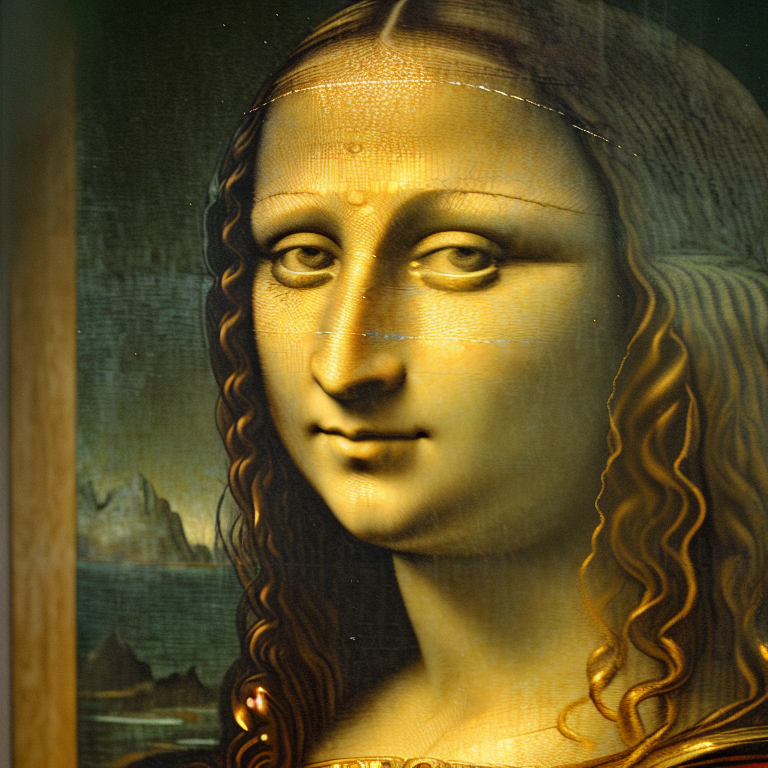
    One of the main reasons the Mona Lisa’s smile is so captivating is Leonardo da Vinci’s use of a painting technique called sfumato. This Italian word means “soft” or “blurred,” and it involves blending colors and tones so subtly that there are no harsh lines or borders. When you look at the Mona Lisa’s mouth, you’ll notice that the edges of her lips are not clearly defined. Instead, they gently fade into the surrounding skin and shadows.

    This technique creates a sense of depth and realism, making her expression appear more natural and lifelike. Sfumato also plays tricks on our eyes. When you focus directly on her mouth, the smile seems less pronounced, but when you look at her eyes or elsewhere on the painting, the smile appears more noticeable. This shifting effect is a big part of why her expression feels so mysterious.

    How Our Brains Interpret Smiles

    Our brains are wired to recognize and interpret facial expressions, especially smiles. When we see someone smile, we instantly feel a connection or emotion. But the Mona Lisa’s smile is different—it’s subtle and ambiguous. This ambiguity is key to her allure. Our brains are constantly trying to make sense of what we see, and with the Mona Lisa, we’re left guessing. Is she happy? Sad? Thoughtful? This uncertainty keeps us engaged and coming back for more.

    Scientists have studied this phenomenon and found that the Mona Lisa’s smile activates the same areas of the brain that respond to real, live smiles. This means that, on some level, we react to her expression as if she were a real person standing in front of us. The combination of sfumato and the brain’s natural response to faces makes her smile feel alive and ever-changing.

    The Role of Peripheral Vision

    Another fascinating aspect of the Mona Lisa’s smile is how it interacts with our peripheral vision. When we look directly at her mouth, the smile seems faint. But when we shift our gaze to her eyes or the background, the smile becomes more pronounced. This happens because our peripheral vision is better at detecting light and shadow than fine details.

    Leonardo da Vinci was a master of understanding how people see and perceive the world. By using sfumato and carefully placing shadows and highlights, he created an effect where the smile seems to appear and disappear depending on where we look. This clever use of human perception is a big reason why the Mona Lisa’s expression feels so dynamic and mysterious.

    The Power of Ambiguity in Art

    Art experts and psychologists agree that ambiguity is a powerful tool in creating lasting interest. When a piece of art is too obvious or straightforward, it can lose its appeal over time. But when there’s a bit of mystery—like the Mona Lisa’s smile—people are drawn in and want to keep looking. This is why the painting has remained so popular for centuries.

    The Mona Lisa’s smile invites us to project our own feelings and interpretations onto her expression. Each viewer might see something different, and that personal connection is what makes the painting so special. This idea of ambiguity isn’t just limited to the Mona Lisa; it’s a common theme in great art and even in literature and film.

    Leonardo’s Scientific Curiosity

    Leonardo da Vinci was not just an artist—he was also a scientist, inventor, and thinker. He was fascinated by how the human body and mind work, and he applied this knowledge to his art. By studying anatomy, light, and perception, Leonardo was able to create paintings that felt incredibly real and emotionally engaging.

    The Mona Lisa is a perfect example of how art and science can come together. Leonardo’s understanding of how we see and interpret the world allowed him to create a portrait that continues to captivate and puzzle people to this day. His curiosity and attention to detail set a new standard for artists and continue to inspire creators around the world.

    The Cultural Impact of the Mona Lisa’s Smile

    Over the centuries, the Mona Lisa’s smile has become a symbol of mystery and beauty in popular culture. Countless artists, writers, and filmmakers have referenced or reimagined her expression. The painting’s fame has only grown with time, partly because of the endless fascination with her smile.

    In today’s world, where we’re surrounded by images and information, the Mona Lisa stands out as something truly unique. Her smile reminds us that there’s still magic and mystery in art, even in an age of digital technology. This timeless appeal is why the painting continues to draw millions of visitors to the Louvre Museum in Paris every year.

    Frequently Asked Questions (FAQ)

    #### Why does the Mona Lisa’s smile seem to change?
    The smile changes because of Leonardo da Vinci’s use of sfumato, which blurs the edges of her mouth and lips. This makes the expression look different depending on where you focus your eyes and how your brain interprets the image.

    #### Is the Mona Lisa really smiling?
    Yes, the Mona Lisa is smiling, but it’s a very subtle and ambiguous smile. The exact emotion she’s expressing is up for interpretation, which adds to the painting’s mystery.

    #### What is sfumato?
    Sfumato is a painting technique that involves blending colors and tones so smoothly that there are no visible lines or borders. Leonardo da Vinci used this method to create a lifelike and soft appearance in the Mona Lisa.

    #### Why is the Mona Lisa so famous?
    The Mona Lisa is famous for its masterful technique, mysterious expression, and the story of its creation. Its fame has been boosted by its history, including being stolen from the Louvre in 1911, and its status as a cultural icon.

    #### Can science explain the Mona Lisa’s smile?
    Science can explain some aspects of the smile, such as how our brains and eyes perceive it. However, the emotional and artistic impact of the smile remains a unique and personal experience for each viewer.

    Conclusion

    The mystery of the Mona Lisa’s smile is a perfect blend of art, science, and human perception. Leonardo da Vinci’s innovative techniques, especially sfumato, create an expression that seems to change before our eyes. Our brains are naturally drawn to this ambiguity, making the painting endlessly fascinating. The Mona Lisa reminds us that great art can be both beautiful and mysterious, inviting us to look closer and think deeper. Whether you’re an art lover or just curious about the world, the story behind her smile is a wonderful example of how creativity and curiosity can leave a lasting mark on history.

  • The Hidden Messages in Van Gogh’s Starry Night

    Have you ever looked at Vincent van Gogh’s famous painting Starry Night and wondered what those swirling skies and glowing stars really mean? This masterpiece isn’t just a pretty picture of a night sky – it’s packed with hidden meanings and personal symbols that tell us about van Gogh’s thoughts and feelings when he painted it in 1889.

    Van Gogh created this painting while staying at a mental asylum in France, and every element in the artwork connects to his life experiences and inner world. Let’s explore the secret symbolism that makes Starry Night one of the most fascinating paintings in art history.

    The Swirling Sky: Van Gogh’s Turbulent Mind

    The most striking feature of Starry Night is the dramatic, swirling sky that dominates the canvas. These swirling patterns weren’t just random brush strokes – they represent van Gogh’s emotional state and his view of the universe.

    Art historians believe these spirals show van Gogh’s fascination with scientific discoveries of his time, particularly the idea that the universe is constantly moving and changing. The way the stars and clouds twist and turn across the sky might reflect his own turbulent thoughts and feelings while he was in the asylum.

    The thick, heavy brushstrokes create a sense of movement that makes the sky feel alive. This technique, called impasto, was one of van Gogh’s signatures, and here it adds to the feeling that the night sky is in constant motion, just like his own mind.

    The Eleven Stars: Religious and Personal Meaning

    Look closely at the sky, and you’ll count eleven stars scattered across the canvas. This number isn’t random – it likely connects to a Bible verse from Genesis that says Joseph dreamed of eleven stars bowing down to him. Van Gogh was deeply religious, and this reference suggests he saw himself as an outsider, like Joseph, who would eventually be recognized for his gifts.

    The brightest star, with its glowing halo, might represent the planet Venus, which was visible in the morning sky when van Gogh painted this work. But it could also symbolize hope or divine presence in his difficult life.

    The Cypress Tree: Life and Death

    The tall, dark cypress tree that rises from the foreground has several layers of meaning. In many cultures, cypress trees are associated with cemeteries and mourning, but they also symbolize eternal life because they’re evergreen.

    For van Gogh, this tree might represent the connection between life and death, heaven and earth. Its flame-like shape reaches up toward the sky, almost like it’s trying to touch the stars. Some art experts think this tree shows van Gogh’s struggle between his earthly troubles and his spiritual aspirations.

    The Quiet Village: Finding Peace

    Below the dramatic sky lies a peaceful village with small houses and a church steeple. This contrast between the turbulent heavens and the calm village creates a powerful visual story. The village might represent the stability and community that van Gogh longed for but never quite found.

    The church steeple, the tallest structure in the village, points upward toward the sky. This could symbolize the connection between earthly life and the divine, or it might show how religion provided structure in van Gogh’s chaotic world.

    The Color Choices: Emotional Expression

    Van Gogh’s color choices in Starry Night are far from realistic, but they perfectly capture his emotional vision. The deep blues and vibrant yellows create a sense of wonder and mystery. Blue often represents sadness or spirituality, while yellow can symbolize hope, energy, or divine light.

    The way these colors interact – the glowing yellow stars against the deep blue sky – creates a visual harmony that suggests even in darkness, there is light. This color symbolism reflects van Gogh’s belief that beauty and meaning could be found even in difficult circumstances.

    The Moon: Cycles and Change

    The crescent moon in Starry Night isn’t just a decorative element. In many cultures, the moon represents cycles, change, and the passage of time. For someone like van Gogh, who was dealing with mental health challenges, the moon’s predictable cycles might have been comforting.

    The moon’s position in the painting, along with the stars, creates a sense of cosmic order that contrasts with the swirling chaos of the sky. This balance between order and chaos is one of the painting’s most compelling aspects.

    Van Gogh’s Personal Symbols

    Many elements in Starry Night connect to other works and themes in van Gogh’s art. The swirling patterns appear in several of his paintings, suggesting this was a visual language he used to express his inner world. The combination of night sky and village landscape also appears in other works, showing his ongoing interest in the relationship between humans and the cosmos.

    Understanding these personal symbols helps us see Starry Night not just as a beautiful painting, but as a visual diary of van Gogh’s thoughts, feelings, and spiritual beliefs during a crucial period in his life.

    The Painting’s Legacy and Impact

    Starry Night has become one of the most recognized paintings in the world, and its influence extends far beyond the art world. The painting’s emotional power and symbolic depth have inspired countless artists, writers, and musicians.

    The way van Gogh combined realistic elements (the village, the cypress tree) with emotional, symbolic ones (the swirling sky) created a new way of seeing that influenced modern art. His willingness to express his inner world through symbolic imagery opened doors for future artists to explore their own emotional and spiritual experiences.

    Frequently Asked Questions (FAQ)

    What inspired van Gogh to paint Starry Night?

    Van Gogh painted Starry Night while staying at the Saint-Paul-de-Mausole asylum in southern France. He was inspired by the view from his window, memories of the Dutch countryside, and his own imagination. The painting combines real observations with symbolic elements that expressed his emotional state.

    Why is Starry Night so famous?

    Starry Night is famous for its emotional power, innovative technique, and rich symbolism. The painting perfectly captures van Gogh’s unique artistic vision and his ability to express complex feelings through color and movement. Its universal themes of hope, struggle, and the beauty of nature continue to resonate with viewers today.

    Where is the original Starry Night painting located?

    The original Starry Night painting is housed at the Museum of Modern Art (MoMA) in New York City. It was donated to the museum in 1941 and has been one of its most popular attractions ever since.

    How long did it take van Gogh to paint Starry Night?

    While we don’t know the exact time, van Gogh was known for working quickly. He likely completed the painting in a few days or weeks, though he made many studies and sketches before creating the final version.

    What do the swirling patterns in Starry Night represent?

    The swirling patterns likely represent van Gogh’s emotional state, his view of the dynamic universe, and possibly his interest in scientific discoveries about the movement of celestial bodies. These patterns create a sense of energy and movement that makes the painting feel alive.

    Why did van Gogh use such bright colors in a night scene?

    Van Gogh used bright, expressive colors to convey emotion rather than realistic representation. His color choices were influenced by his interest in color theory and his desire to express the emotional and spiritual qualities of the night sky rather than just its physical appearance.

    Conclusion

    Van Gogh’s Starry Night is far more than a beautiful painting of a starry sky – it’s a window into the artist’s soul and a masterpiece of symbolic expression. Every element, from the swirling stars to the quiet village, carries layers of meaning that connect to van Gogh’s personal experiences, spiritual beliefs, and artistic vision.

    Understanding the secret symbolism in Starry Night helps us appreciate not just the painting’s beauty, but also its emotional depth and historical significance. Van Gogh transformed a simple night scene into a powerful statement about the human experience, showing how art can express the deepest aspects of our inner lives.

    Next time you see Starry Night, take a moment to look beyond the pretty colors and swirling patterns. Think about what those elements might mean, and remember that great art often speaks to us on multiple levels – visually, emotionally, and symbolically. That’s what makes Starry Night not just a painting, but a timeless masterpiece that continues to inspire and move people around the world.