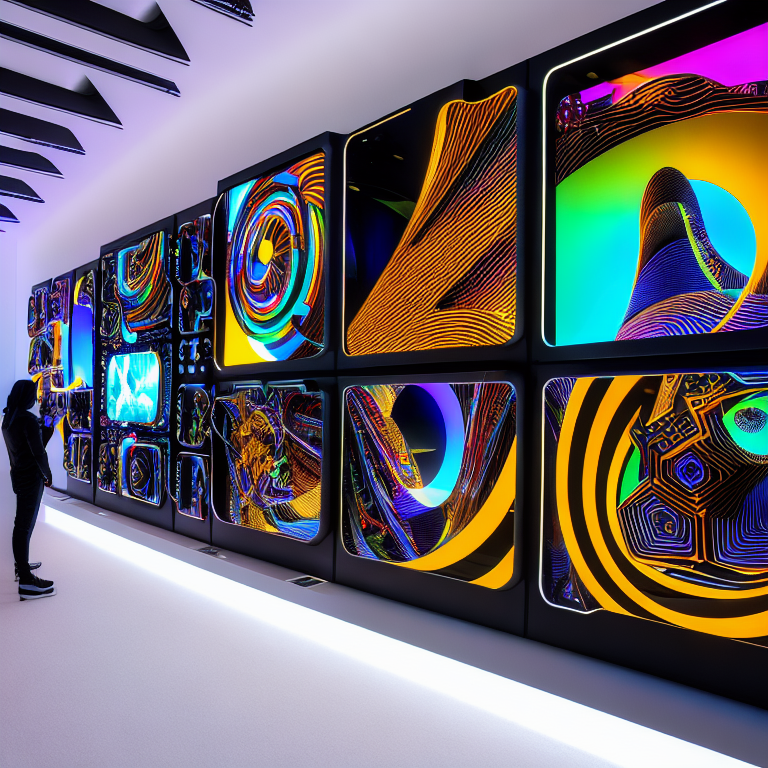
Imagine walking into an art gallery where every piece of artwork is unique, can’t be copied, and comes with a digital certificate that proves it’s the real deal. That’s exactly what’s happening in the art world right now thanks to NFTs, or Non-Fungible Tokens. These digital assets are changing how we create, buy, and sell art in ways that would have seemed impossible just a few years ago.
NFTs work like digital fingerprints for artwork. When an artist creates something digital – whether it’s a painting, animation, or even a tweet – they can “mint” it as an NFT. This process creates a special digital certificate stored on something called a blockchain, which is like a super-secure digital ledger that keeps track of who owns what. Once something becomes an NFT, it can’t be copied or faked, which solves one of the biggest problems in the digital art world: proving authenticity.
The impact on artists has been enormous. Before NFTs, digital artists struggled to make money from their work because anyone could right-click and save their art. Now, artists can sell their digital creations just like traditional painters sell physical canvases. Even better, many NFT platforms let artists earn money every time their work is resold, which means they can benefit as their art increases in value over time.
One of the most exciting things about NFTs is how they’re opening doors for new types of artists. Take the story of Beeple, a digital artist who sold an NFT for $69 million at Christie’s auction house. This kind of success story was unheard of for digital artists before NFTs came along. Now artists from all over the world can share their work with a global audience and make a living doing what they love.
The technology behind NFTs is also creating new forms of art that simply weren’t possible before. Artists are now creating interactive pieces that change based on who’s viewing them, or artwork that evolves over time. Some artists are even making art that exists only in virtual reality spaces, creating entirely new ways for people to experience and collect art.
Collectors are finding NFTs attractive for several reasons. First, they can own something truly unique in the digital world. Second, they can easily verify that their purchase is authentic. Third, they can trade or sell their NFTs on various marketplaces, often with the potential for the value to increase over time. It’s like having a digital art collection that you can carry around in your pocket.
The environmental concerns around NFTs have led to important innovations. Many platforms are now using more energy-efficient methods to create NFTs, and some are even using renewable energy to power their operations. This shows how the NFT community is working to make the technology more sustainable for the future.
Traditional art galleries are also adapting to this new reality. Some are creating virtual galleries where people can view NFT art in immersive 3D spaces. Others are hosting physical exhibitions that showcase both traditional and digital art, helping bridge the gap between old and new art forms. For those interested in exploring different gallery options, you might want to check out this guide on how to choose the perfect art gallery for your style.
The financial side of NFTs is particularly interesting. Artists can now earn royalties from their work indefinitely, which is a game-changer for creative professionals. When someone buys an NFT artwork and later sells it for a higher price, the original artist automatically receives a percentage of that sale. This creates a more sustainable income model for artists and helps them build long-term careers.
Education about NFTs is becoming increasingly important. Many art schools are now teaching students about blockchain technology and how to create NFT art. This ensures that the next generation of artists will be prepared for this new digital art landscape. Museums are also starting to collect and display NFT art, helping to legitimize this new art form in the eyes of traditional art institutions.
The social aspect of NFTs shouldn’t be overlooked. Many NFT collections have built-in communities where collectors can connect, share their collections, and even influence the direction of future art projects. This creates a more interactive and engaging art experience than traditional art collecting.
Looking ahead, NFTs are likely to continue evolving and finding new applications in the art world. We might see more integration with virtual and augmented reality, allowing people to display their NFT art in digital spaces or even in their physical homes through AR technology. The technology could also make art more accessible to people who can’t visit traditional galleries due to location or mobility issues.
One fascinating development is how NFTs are influencing traditional art forms. Some physical artists are now creating works that exist both as physical pieces and as NFTs, giving collectors multiple ways to enjoy and invest in art. This hybrid approach could become increasingly common as artists explore the possibilities of both physical and digital mediums.
The legal aspects of NFTs are also evolving. Questions about copyright, ownership rights, and intellectual property are being worked out as the technology matures. This legal framework will be crucial for the long-term success and stability of the NFT art market.
For artists considering entering the NFT space, there are important factors to consider. Understanding gas fees (the cost of creating NFTs), choosing the right marketplace, and building a community are all crucial steps. It’s also important to think about how to price work and what rights to retain when selling NFTs.
The democratization of art through NFTs is perhaps one of the most significant changes. Artists who might have been overlooked by traditional art institutions now have direct access to collectors and can build their own audiences. This has led to a more diverse and inclusive art world, where different voices and perspectives can find appreciation and support.
As we look to the future, it’s clear that NFTs are more than just a passing trend. They represent a fundamental shift in how we think about art ownership, creation, and distribution. While challenges remain, particularly around environmental concerns and market volatility, the potential for NFTs to create new opportunities for artists and collectors is enormous.
The intersection of art and technology continues to produce fascinating developments. Just as Japanese art revolutionized Monet’s masterpieces in the past, NFTs are creating a new revolution in how we create and experience art. The key is finding ways to use this technology to enhance rather than replace traditional artistic practices.
For those interested in learning more about how different art movements have influenced modern artists, you might enjoy reading about how surrealism continues to inspire modern artists. Understanding these historical contexts can provide valuable insights into the current NFT art movement.
The transformation of the art market through NFTs is still in its early stages, and we’re likely to see many more innovations in the coming years. What’s certain is that this technology has already changed the art world forever, creating new opportunities for artists, collectors, and art lovers everywhere.
Leave a Reply