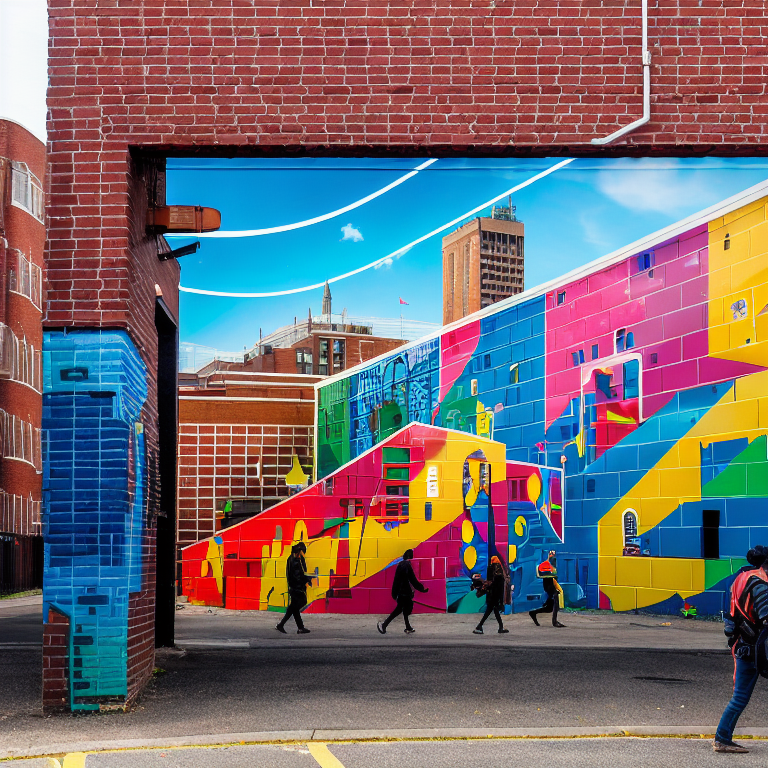
Street art is more than just paint on walls. It’s a way for people to share their thoughts, feelings, and stories in public spaces. In cities around the world, street art has become a powerful form of expression that reflects the heartbeat of urban life. From colorful murals to bold political statements, street art gives voice to those who might not be heard in other ways.
The beauty of street art lies in its accessibility. Unlike traditional art that lives in museums behind glass, street art is out in the open for everyone to see. You don’t need to buy a ticket or know art history to understand it. Street art speaks directly to people walking by, making art part of everyday life in the city.
What Makes Street Art Different from Graffiti
Many people confuse street art with graffiti, but they’re not exactly the same thing. Graffiti often focuses on writing names or symbols in a stylized way, while street art includes images, figures, and messages that tell stories. Street artists use many different techniques like stencils, stickers, posters, and large-scale paintings to create their work.
The purpose of street art goes beyond just making something look pretty. Artists use public spaces to start conversations about important issues like social justice, environmental concerns, or political change. When you see a powerful image on a city wall, it’s meant to make you think and feel something. This direct connection between art and viewer is what makes street art so special in urban culture.
How Street Art Reflects Community Identity
Every city has its own personality, and street art captures that unique character perfectly. In neighborhoods with rich cultural histories, you’ll find murals celebrating local heroes, traditional symbols, and community stories. These artworks become landmarks that residents recognize and take pride in. They tell the story of who lives there and what matters to them.
Street art also changes as communities change. When new people move in or when social movements gain momentum, the art on the walls often reflects these shifts. This makes street art a living record of urban life, showing how cities grow and transform over time. The art becomes a mirror that reflects the hopes, struggles, and dreams of the people who call the city home.
The Role of Street Artists as Urban Storytellers
Street artists are like modern-day storytellers who use walls instead of paper. They observe what’s happening in their communities and translate those observations into powerful visual messages. Some artists focus on beauty and color, while others tackle difficult subjects like inequality or corruption. Either way, they’re using their talents to communicate with the public in a direct and honest way.
Many street artists remain anonymous, which adds to the mystery and impact of their work. Without a famous name attached, people focus on the message rather than the messenger. This anonymity also allows artists to speak truth to power without fear of personal consequences. Their art becomes the voice, not their reputation or fame.
How Technology Changed Street Art
Digital tools and social media have transformed how street art reaches people. Artists now plan their work using computer programs, create stencils with laser cutters, and share their finished pieces with millions online. A mural that might only be seen by locals can suddenly become famous worldwide through Instagram or Facebook.
This digital connection has created a global street art community where artists inspire each other across continents. Someone in Brazil might see a piece from Berlin and create something new that gets shared back again. Technology has made street art more connected and influential than ever before, while still keeping its roots in local communities.
The Temporary Nature of Street Art
One of the most fascinating aspects of street art is that it’s often temporary. Weather, city cleaners, or other artists might cover up a piece within days or weeks. This impermanence makes each artwork more precious because you know you might never see it again. It teaches us to appreciate beauty in the moment.
The temporary nature also reflects the fast-paced, ever-changing character of city life itself. Just as neighborhoods transform and populations shift, the art on the walls keeps evolving. This constant change keeps urban culture fresh and dynamic, always offering something new to discover around the next corner.
Street Art as Political Expression
Throughout history, street art has been a powerful tool for political expression. When people feel unheard by traditional channels, they turn to public walls to make their voices heard. From protest slogans to powerful imagery, street art can capture complex political messages in ways that resonate with ordinary people.
During times of social change or unrest, street art often becomes more prominent and more urgent. It serves as a visual record of what people care about and what they’re fighting for. This political dimension makes street art an essential part of urban democracy, giving everyone a chance to participate in public dialogue.
The Economic Impact of Street Art
Street art has become a significant economic driver for many cities. Neighborhoods known for their street art often attract tourists, photographers, and art enthusiasts who spend money at local businesses. Cities like Berlin, Melbourne, and Buenos Aires have built entire tourism industries around their vibrant street art scenes.
Local governments are starting to recognize this economic value. Some cities now sponsor legal street art walls and mural programs, understanding that street art can revitalize neglected areas and attract creative businesses. This shift shows how street art has moved from being seen as vandalism to being valued as cultural infrastructure.
How Street Art Builds Community Connections
Street art projects often bring communities together in meaningful ways. When neighbors collaborate on a mural, they share stories, build relationships, and create something beautiful together. These collaborative projects strengthen social bonds and give people a sense of ownership over their public spaces.
Community-based street art can also address local issues and celebrate neighborhood identity. A mural might honor local history, address community concerns, or simply add beauty to a dull area. These projects give residents a voice in shaping their environment and create shared experiences that bring people closer together.
The Global Language of Street Art
Despite cultural differences, street art speaks a universal language that people around the world can understand. Images of love, struggle, hope, and resistance resonate across borders. A powerful mural in one country can inspire similar work in another, creating a global conversation through art.
This international connection has led to street art festivals and artist exchanges that bring together creators from different backgrounds. These events celebrate diversity while highlighting our common humanity. Street art proves that art can build bridges between cultures and create understanding across differences.
Frequently Asked Questions About Street Art
Is street art legal?
Street art exists in a legal gray area. Some cities have designated legal walls where artists can work freely, while other street art is created without permission. Many artists now work with property owners to create commissioned murals that are completely legal and welcomed by the community.
How do street artists create such large murals?
Most street artists use techniques like projecting images onto walls at night, creating detailed sketches first, or working with assistants. They often use spray paint, rollers, and brushes designed for outdoor use. Safety equipment like harnesses is important when working on tall buildings.
Who are some famous street artists?
Banksy is probably the most well-known street artist globally, famous for his political stencils and social commentary. Other notable artists include Shepard Fairey, who created the iconic Obama “Hope” poster, and JR, known for his large-scale photographic installations in public spaces.
Can street art be valuable?
Yes, street art has become highly collectible. Original works by famous street artists can sell for millions at auction. However, many street artists believe their work should remain in public spaces where everyone can enjoy it, rather than being bought and sold privately.
How can I find street art in my city?
Look in older neighborhoods, industrial areas, and places with lots of foot traffic. Follow local art blogs, Instagram accounts, or community boards that highlight street art locations. Many cities also offer guided street art tours that can show you hidden gems you might miss on your own.
Conclusion
Street art has earned its place as the authentic voice of urban culture. It captures the energy, diversity, and complexity of city life in ways that no other art form can match. From political statements to community celebrations, street art gives people a way to express themselves and connect with others in the shared spaces of the city.
As cities continue to grow and change, street art will remain an essential part of urban identity. It reminds us that cities belong to the people who live in them and that everyone has something valuable to say. The next time you walk down a city street, take a moment to look at the walls around you. You might just see the story of your community painted in bold colors and powerful images.
Leave a Reply