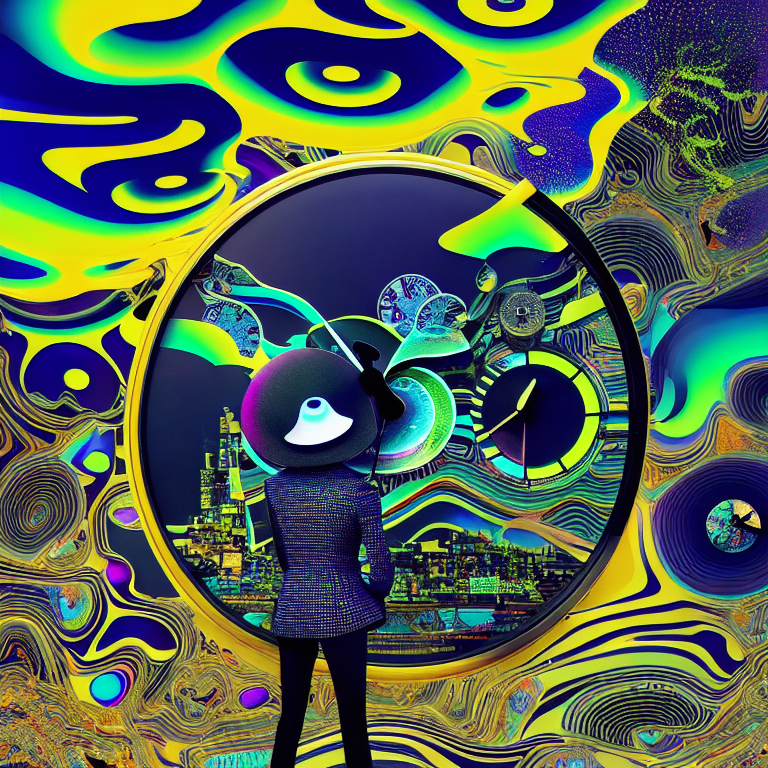
Surrealism is more than just a style from the past—it’s a living, breathing force that continues to shape how artists think, create, and express themselves today. Born in the early 20th century, Surrealism was all about tapping into the unconscious mind, dreams, and the unexpected. Artists like Salvador Dalí and René Magritte turned the ordinary into the extraordinary, and their influence is still everywhere. From digital art to street murals, from fashion to film, Surrealism’s fingerprints are all over modern creativity. Let’s dive into how this movement keeps inspiring artists in surprising and powerful ways.
###TITLE_START###
The Roots of Surrealism: A Quick Look Back
Surrealism began in the 1920s as a reaction to the rigid rules of traditional art and the chaos of the modern world. Artists wanted to break free from logic and reason, exploring instead the world of dreams, fantasies, and the subconscious. They used strange, unexpected combinations—like a lobster on a telephone or a train coming out of a fireplace—to jolt viewers out of their everyday thinking. This playful, rebellious spirit is what makes Surrealism so appealing to modern artists. They see it as a way to challenge norms, question reality, and invite people to see the world differently.
###TITLE_START###
Dreamscapes in Digital Art
One of the most exciting places where Surrealism lives today is in digital art. With tools like Photoshop, 3D modeling, and virtual reality, artists can create dreamscapes that would have been impossible a century ago. Digital artists often blend the real and the unreal, making impossible scenes that feel both familiar and strange. For example, an artist might take a photo of a city street and add floating objects, melting buildings, or impossible perspectives. This modern twist on Surrealism shows how the movement’s core ideas—surprise, imagination, and the subconscious—can thrive in new mediums. If you’re curious about how to curate a stunning art gallery at home, check out these home art gallery tips.
###TITLE_START###
Surrealism in Street Art and Murals
Street art is another arena where Surrealism shines. Artists like Banksy use surreal elements to make bold statements about society, politics, and human nature. Imagine a mural where a child is painting a real bird with a brush, or a giant eye watching over a city street. These images are not just eye-catching—they make you stop and think. Street artists borrow Surrealism’s love of the unexpected to challenge viewers and spark conversations. If you’re interested in how street art can challenge society, you might enjoy learning more about Banksy’s work.
###TITLE_START###
Fashion and Surrealism: Wearing the Unexpected
Surrealism has also left its mark on fashion. Designers like Elsa Schiaparelli and Alexander McQueen have used surreal elements to create clothing that blurs the line between art and wearability. Think of a dress with a lobster print, or a hat shaped like a shoe. These pieces are playful, provocative, and totally surreal. Today’s fashion designers continue this tradition, using bold prints, unusual shapes, and unexpected materials to create garments that make a statement. Surrealism in fashion is all about breaking the rules and daring to be different.
###TITLE_START###
Surrealism in Film and Animation
Movies and animation are perfect playgrounds for Surrealism. Directors like David Lynch and Tim Burton use surreal imagery to create dreamlike worlds that captivate audiences. From floating tea parties to talking animals, these films invite viewers into a reality where anything is possible. Animation, in particular, allows for limitless creativity—characters can morph, objects can float, and time can bend. This freedom to explore the subconscious and the bizarre keeps Surrealism alive and well in modern storytelling.
###TITLE_START###
Surrealism and Modern Sculpture
Sculptors today are also inspired by Surrealism’s love of the unexpected. Artists create works that challenge our sense of scale, gravity, and logic. A giant melting ice cream cone in a city square, or a staircase that leads nowhere—these pieces make us question what we see and how we see it. Modern sculptors often use everyday objects in surprising ways, turning the mundane into the magical. This playful approach keeps Surrealism fresh and relevant in public spaces and galleries alike.
###TITLE_START###
The Psychology of Surrealism: Why It Still Resonates
One reason Surrealism continues to inspire is its deep connection to psychology. The movement was heavily influenced by Sigmund Freud’s ideas about the unconscious mind. Today, as people face new challenges and uncertainties, the appeal of exploring dreams and the subconscious is stronger than ever. Surrealism offers a way to process complex emotions, question reality, and find beauty in the bizarre. It’s a reminder that art can be both playful and profound, and that there’s always more beneath the surface.
###TITLE_START###
Surrealism in Pop Culture and Consumerism
Surrealism has also found a home in pop culture and advertising. Brands use surreal imagery to grab attention and make their messages memorable. Think of commercials where everyday objects come to life, or album covers that feature impossible scenes. This blending of art and commerce shows how Surrealism’s influence extends beyond galleries and museums. It’s a way for artists and marketers alike to stand out in a crowded world. If you’re curious about how pop art mirrors today’s consumer culture, you might find this article interesting.
###TITLE_START###
Surrealism and the Digital Age: New Frontiers
The rise of the internet and social media has opened up new frontiers for Surrealism. Artists can now share their work with a global audience instantly, and collaborate in ways that were never possible before. Platforms like Instagram and TikTok are full of surreal creations—from glitch art to digital collages. These new tools and platforms allow artists to experiment with form, color, and perspective, pushing the boundaries of what Surrealism can be. The movement’s spirit of innovation and exploration is perfectly suited to the fast-changing world of digital art.
###TITLE_START###
Frequently Asked Questions (FAQ)
What is Surrealism in simple terms?
Surrealism is an art movement that focuses on the unconscious mind, dreams, and the unexpected. It often uses strange or surprising combinations to make people think differently about the world.
How does Surrealism influence modern art?
Surrealism inspires modern artists to break rules, challenge reality, and use imagination in their work. It can be seen in digital art, street murals, fashion, film, and more.
Who are some famous modern artists inspired by Surrealism?
Artists like Banksy, Yayoi Kusama, and digital creators on platforms like Instagram often use surreal elements in their work.
Why is Surrealism still popular today?
Surrealism offers a way to explore complex emotions, question reality, and find beauty in the unexpected. It resonates with people facing modern challenges and uncertainties.
Can I create Surrealist art myself?
Absolutely! Surrealism is all about imagination and breaking the rules. You can start by combining unexpected elements, playing with perspective, or exploring your dreams and subconscious.
###TITLE_START###
Conclusion: The Endless Inspiration of Surrealism
Surrealism is not just a relic of the past—it’s a vibrant, evolving force that continues to inspire artists around the world. From digital dreamscapes to bold street murals, from fashion to film, the movement’s spirit of imagination and rebellion lives on. Surrealism invites us to see the world differently, to question what we know, and to find beauty in the unexpected. As long as artists keep dreaming, Surrealism will never fade away. So next time you see a strange, surprising piece of art, remember: you’re witnessing the ongoing legacy of a movement that dared to imagine the impossible.
Leave a Reply